Consumer Behavior
Americans maintain steady payment routines amid economic pressure
The latest Logica Future of Money Study shows payment behavior remains stable across methods and brands, even as many households reduce spending and manage higher levels of financial stress.
December 15, 2025 by Lilah Raynor — CEO, Logica Research
 ChatGPT
 Grok
Grok Perplexity
 Claude
Americans are adjusting to sustained economic pressure while maintaining consistent patterns in how they pay for goods and services. The latest Logica Future of Money Study shows that payment behavior remains stable across methods and brands, even as many households reduce spending and manage higher levels of financial stress. These patterns influence how consumers move through retail environments both online and in stores.
More than one-third of Americans (36%) report spending less due to economic conditions. This reduction appears alongside structured payment routines that shape how shoppers complete purchases at the point of sale. But how they pay remains steady over multiple waves of our study, with some growth in mobile payments and other digital methods.
Mobile payments and generational patterns
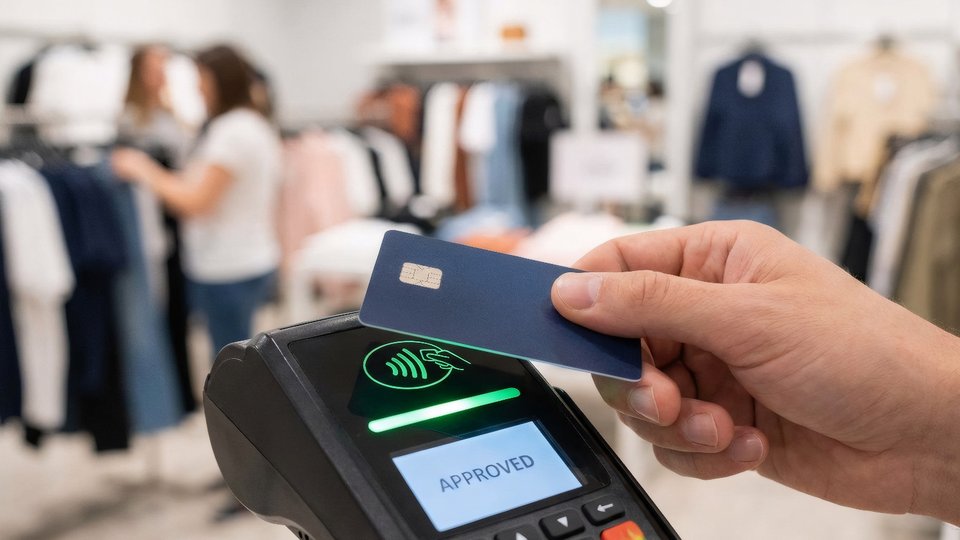
Mobile payments continue to hold a significant position in everyday transactions. Fifty-seven percent of Americans use a phone or mobile device for in-person purchases. Gen Z and Millennials continue to be the primary users of mobile payments, influencing how younger shoppers interact with at the checkout counter or pay stations. Apple Pay is now accepted at more than 90% of U.S. retailers, and Google Pay is supported at most U.S. contactless-enabled terminals, indicating broad NFC technology coverage across national and regional retail locations.
In-person payments centered on debit
And, debit cards remain the top method for in-person payments. Younger Gen Z adults (age 16 to 22) show higher preference for cash at 35%, and digital payment apps also appear in their in-person mix. These patterns outline the primary payment types that younger and older consumers bring into retail environments. Mastercard also reports that contactless and card-present debit transactions continue to represent a large share of payment preference across U.S. merchants at physical points of sale, reflecting steady consumer reliance on established card-based methods in store environments.
Online purchases anchored by credit and debit
In an online shopping environment, many Americans prefer to pay with a credit (30%) or debit card (38%), according to our study. Trust is a central factor in this preference, as consumers select the methods they trust most when completing online transactions. Visa reported this year that that payments volume grew year-over-year, including strong growth in e-commerce activity, which reflects continued use of credit and debit cards in online retail environments.
Digital payment apps maintain stable usage
Awareness and usage of digital payment apps PayPal and Venmo have remained steady and high over recent years, while Cash App and Zelle have continued to increase over the same period. Cash App has risen rapidly with Gen Z, but Millennials continue to lead usage across these platforms. These apps occupy a defined role in peer-to-peer transfers and in certain online and in-app purchase flows. For retailers, this stability informs long-term acceptance decisions for alternative payments.
BNPL programs show varied movement
Our Future of Money study shows that Buy Now Pay Later usage shows mixed results, with declines in two leading brands and increases in another. BNPL continues to appear across retail categories, with usage levels reflecting the types of purchases shoppers make and the repayment terms they select. The Consumer Financial Protection Bureau reported in its ongoing market monitoring updates that BNPL continues to see active use in retail purchases, particularly in categories such as apparel and electronics, reflecting its continued presence across online and seasonal shopping periods.
How consumer payment habits influence retail workflows
Consumers select payment tools with predictable processes, and retailers support this behavior through clear and consistent payment pathways. Debit remains central to in-store routines and continues to guide how transactions move during busy periods. Generational differences also shape payment activity. Younger Gen Z's higher cash usage affects cash-drawer planning, older Gen Z's preference for debit aligns with tap-to-pay adoption and digital receipt flows.
As Americans adjust to economic conditions and reduce discretionary spending, we found that payment methods remain steady across channels. Mobile payments hold a strong position in stores, digital apps show consistent usage, credit cards maintain trust online, and BNPL continues to evolve within retail segments. These patterns outline a payments environment with gradual shifts and stable routines that retailers can use for planning across physical and digital settings.
About Lilah Raynor

As founder and CEO of Logica Research, Lilah is driven to help organizations use insights to fuel brand growth and improve people's lives. Logica Research excels in creating customized research solutions that spark brand engagement, launch products and services, and establish thought leadership programs and media coverage. Logica's client list includes Fortune 500 companies, and some of the largest financial, fintech and technology innovators in the world.
Related Media
Featured Vendor

Powerhouse Dynamics is the leading provider of "internet of things" (IoT)-based solutions to connect, analyze and control equipment to deliver enterprise-wide operational efficiencies.
Subscribe
Get the latest news and resources from Retail Customer Experience.
Recent Posts