Omnichannel
How tariffs and volatility are impacting consumer trust and brand loyalty in retail
In 2026, retailers will need to focus on long-term strategic thinking and building supply chain resiliency.
May 5, 2026 by Anjali Burkins — Senior Director, North America Retail Strategy, o9 Solutions
 ChatGPT
 Grok
Grok Perplexity
 Claude
As retailers grapple with ongoing impacts of global trade agreements, economic uncertainties and shifting consumer purchasing patterns in addition to the persistent challenges related to inventory management, demand forecasting and revenue growth, the traditional approaches to retail planning will no longer cut it.
Retailers need to be more strategic in managing near-term constraints while also taking a longer-term view of how technology investment can create greater efficiencies and competitive advantage over time.
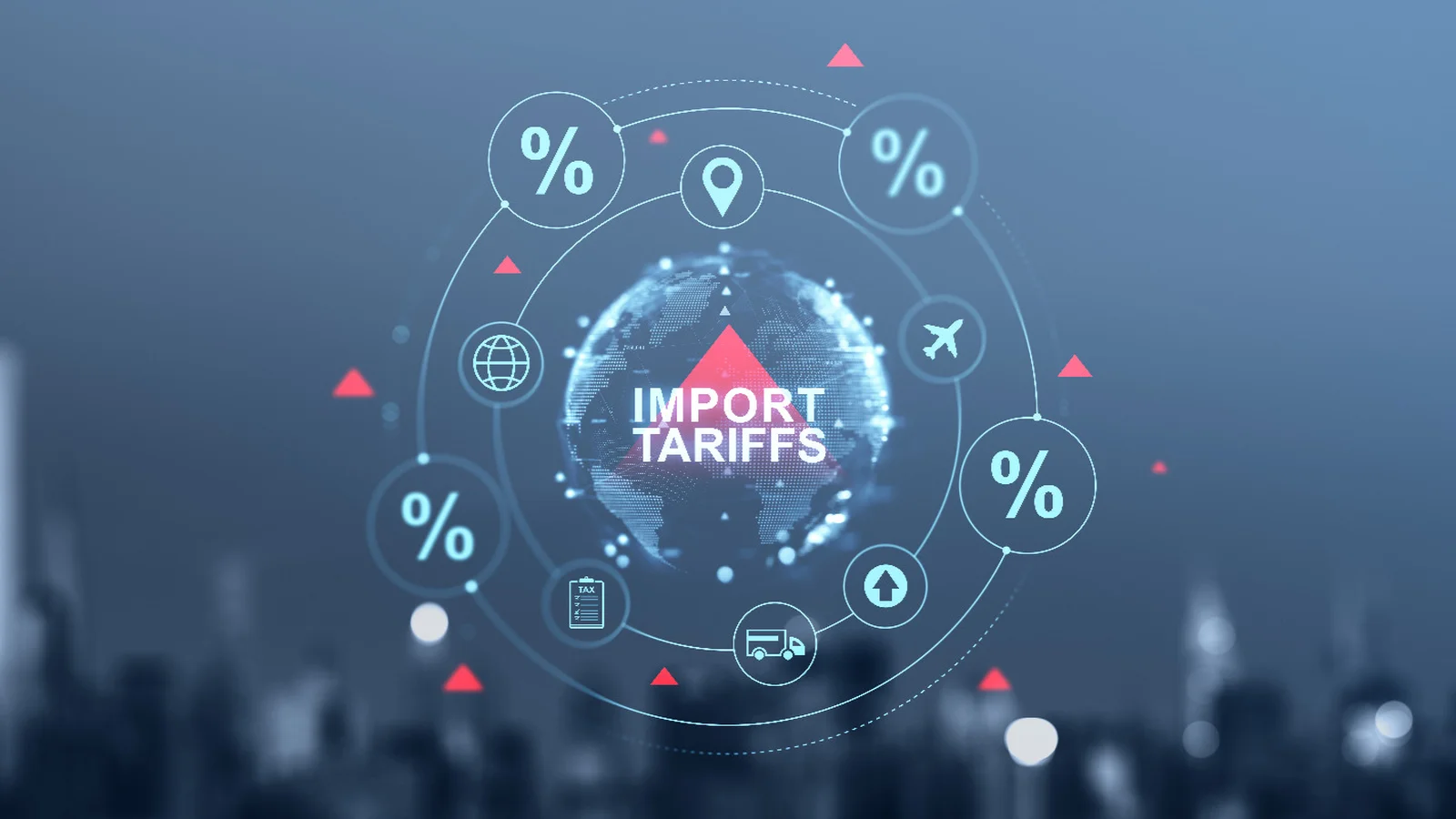
o9 finds that consumer confidence is fluctuating as a result of tariffs, inflation, and additional economic uncertainties.
A 2025 consumer survey conducted by o9 and Team Lewis revealed that 50% of Americans believe that higher prices on everyday items such as groceries and household products over the last 6 months are a result of new or ongoing tariffs.
The survey also found that because of the current economic climate, Americans have not recently purchased a product that they want or need from the following categories: clothing (24%), groceries (22%), and electronics (21%). As a result, consumer demand is shifting towards a focus on value and convenience. In order to stay aligned with changes in consumer preferences, retailers need a strong inventory optimization strategy in place.
Optimize for efficiency
As many retailers may be in a position where they need to "do more with less," focusing on inventory optimization could open up significant opportunities to capitalize on omnichannel fulfillment strategies by positioning inventory as close to the demand signal as possible.
Prioritizing investment in technology
As retailers continue to navigate an ever-changing business and economic environment, many are realizing the need to invest in technologies that can provide real-time data-driven insights to rapidly shifting risks like tariffs and enable more accurate forecasting and demand planning capabilities to ensure that retailers have the right mix of inventory in the right location at the right time to meet consumer demand.
Shaping retail planning with Agentic AI
As technology adoption continues to gain traction in the retail sector, companies that have invested in technologies to help digitize inventory and assortment management, demand planning and forecasting capabilities and have strong data inputs will have opportunities to leverage agentic AI capabilities and identify potential use cases like automated reporting or root cause analysis.
For companies that are beginning to invest in technologies, the focus should be on improving data quality to ensure they have a strong data foundation for Agentic AI to assist in building accurate inventory management capabilities.
In 2026, retailers will need to focus on long-term strategic thinking and building supply chain resiliency. Retailers will also need to closely monitor shifts in consumer sentiment and purchasing behaviors, and align their demand planning and inventory management strategies to meet customer expectations. To remain competitive, companies will need to embrace data-driven decision-making and continue investing in emerging technologies that can help increase collaboration and break down information silos.
About Anjali Burkins

Anjali Burkins is a seasoned professional in retail strategy and planning, currently serving as Senior Director of North America Retail Strategy at o9 Solutions. Prior to o9, she served as a Ecommerce/Digital Consultant at Tommy Hilfiger, along with significant tenure where Anjali held various leadership positions including Vice President of Planning and Allocation. Anjali has also supported esteemed brands like Michael Kors, Saks Fifth Avenue, Lacoste, Coach and dELiA*s. She holds a Bachelor's degree in Business Administration with a focus in Finance from Fordham University.
Related Media
Subscribe
Get the latest news and resources from Retail Customer Experience.