Customer Service
5 factors driving increased bodycam adoption in retail in 2026 and beyond
Body-worn cameras aren’t a cure-all, but they provide a powerful foundation for addressing pressures such as rising aggression, theft tactics and meeting heightened customer service expectations
February 10, 2026 by Alan Ring — CEO, HALOS Body Cameras
 ChatGPT
 Grok
Grok Perplexity
 Claude
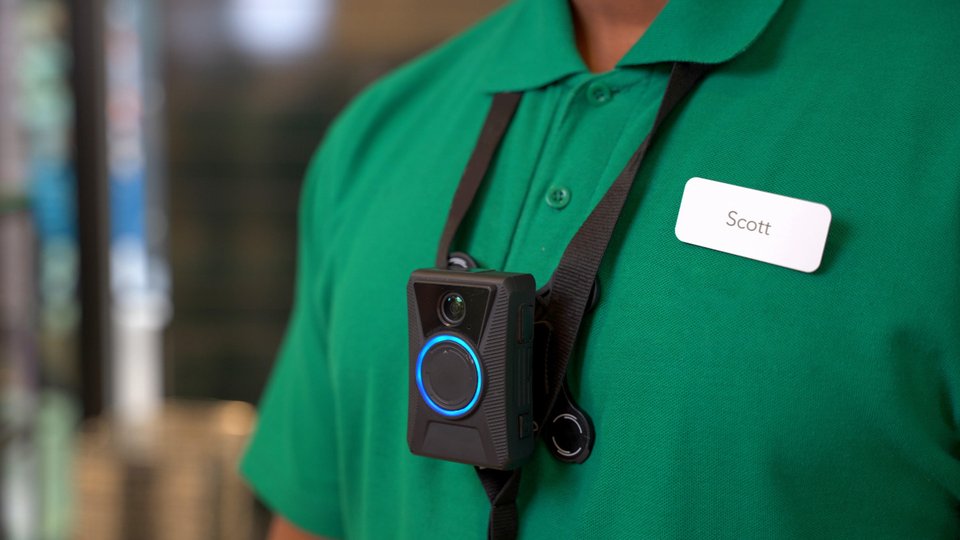
Body-worn cameras are becoming a common retail tool to protect customers, associates and profits. Look no further than Walmart, Kroger, Target and other major national brands that have already tested or started to roll out the technology.
For decades, the retail industry has relied on the same toolkit to deter theft, diffuse conflict and document incidents. When it comes to collecting video evidence, CCTV has been the go-to. But the environment has changed. Customer interactions are increasingly unpredictable, theft patterns are more complex, and scrutiny over how retailers investigate and resolve claims is intensifying.
It's not just retailers feeling the shift. Shoppers, too, are navigating crowded stores, tighter staffing models and heightened tension. These pressures are prompting retailers to deploy tools that proactively shape safer, more transparent interactions.
Earlier this year, Halos commissioned a national YouGov study to understand how Americans feel about body-worn cameras in everyday spaces — from stores to stadiums to public transit settings. The survey found 70% of Americans are comfortable with, or indifferent to, body-worn cameras. Further, 62% believe bodycams help deter aggression and theft, and 44% admitted they would think twice about their own behavior if they knew staff in a given setting were wearing them.
Public sentiment has fundamentally changed, and with it, the pace of adoption. Here are the key forces I believe will accelerate retail deployments of bodycams in 2026 and beyond.
1. Moving from "high-risk store" pilots to enterprise-wide deployments
Bodycams have historically been used only in locations retailers considered the most vulnerable such as those open late hours or stores with elevated shrink. But customer acceptance is changing that.
When seven out of 10 shoppers feel comfortable with body-worn cameras, retailers no longer need to worry that their usage of bodycams may impact brand perception or make customers uncomfortable. Instead, they're finding the technology can actually enhance the customer experience by creating a more safe and transparent environment. That clears the way for wider scale rollouts.
2. Video evidence will become a critical tool for faster, clearer incident resolution
Retailers spend a tremendous amount of time and resources investigating claims — from customer complaints to slips and falls to employee disputes. With limited evidence, these cases quickly become time-consuming and costly.
Body-worn cameras change that dynamic by producing interactive, first-person video evidence that can reduce gray areas. Instead of relying solely on written statements or fixed camera angles, there's a real-time record — including audio — of each incident.
This doesn't just streamline loss prevention and risk management. It builds trust. Customers feel reassured when retailers can confidently address concerns, and associates feel supported knowing their interactions are documented fairly and their POV will be considered. The result is a more accountable environment for everyone.
3. Rising workplace aggression makes prevention the priority
The tension shift in stores feels palpable — customer frustration is more visible, tempers flare more quickly and it's almost always the frontline staff who bear the brunt of it. Videos of retail confrontations circulate on social media regularly and associates are tired of being pulled into disputes that escalate unnecessarily.
Bodycams have a measurable psychological effect in that they encourage de-escalation. When customers know their behavior is being recorded, 44% say they adjust their conduct. Proactively preventing incidents becomes the name of the game rather than reacting to them after the fact.
In 2026, retailers will increasingly view bodycams not just as evidence-gathering tools, but as proactive incident deterrents. Expect them to be paired with stronger training around de-escalation and integrated into frontline safety programs.
4. Becoming a core loss prevention tool
The National Retail Federation study, "The Impact of Retail Theft & Violence 2024," conducted in partnership with the Loss Prevention Research Council, found shoplifting incidents have jumped 93% since before the COVID pandemic. This rise has been a catalyst for retailers looking to shift their loss prevention strategies from being reactive to preventive.
Bodycams provide a unique layer of visibility that fixed cameras often miss. Retailers will turn to them increasingly for:
- Documenting high-value transactions.
- Monitoring refund and return interactions.
- Supporting investigations tied to organized retail crime.
- Validating compliance with in-store procedures.
- Training new associates using real examples from store environments.
The value of this perspective becomes clearer as shrink continues to put a strain on profitability.
5. Transparency as a competitive advantage
Shoppers reward businesses that operate openly and proactively in the form of loyalty. Body-worn cameras contribute to that transparency by creating an environment where expectations are clear and accountability is at the forefront.
Retailers who embrace bodycams early will differentiate themselves by:
- Resolving conflict faster and more fairly.
- Demonstrating a tangible commitment to customer and employee safety.
- Reinforcing trust at a moment when many shoppers feel on edge.
Consumer perception of bodycams has shifted from being about suspicion to transparency and safety — two core expectations for garnering customer loyalty.
A retail safety baseline
Retailers are under pressure to smoothly navigate operational challenges, curb rising aggression, manage evolving theft tactics and meet heightened customer service expectations. Body-worn cameras aren't a cure-all, but they provide a powerful foundation for addressing those pressures.
Bodycams will become a defining technology of modern retail as we get further into 2026 because of their ability to help retailers reinforce what matters most: protecting customers and associates, strengthening trust and establishing a safe environment for all.
About Alan Ring

As CEO of HALOS, Alan is focused on positioning the company as an industry leader, guided by a commitment to operational excellence and market disruption. Drawn to HALOS by its bold mission to deliver innovative, impactful solutions, Alan continues to drive its success in redefining the body-worn camera market.
Related Media
Subscribe
Get the latest news and resources from Retail Customer Experience.