Omnichannel
The future of unattended payments depends on consumer trust
In an era where margins are already thin, and where retailers are managing tens of thousands of unattended payment assets, QR codes can be deployed and managed at a fraction of the cost.
October 15, 2026 by Conn Byrne — Executive Director for Integrated Payments, Payroc
 ChatGPT
 Grok
Grok Perplexity
 Claude
Cash usage in the U.S. continues to shrink, accounting for just 16-18% of in-person transactions in 2025. While this will come as no surprise to most in the retail industry, the decline of cash has necessitated some significant structural changes for retailers that operate unattended environments, like vending machines, smart kiosks, parking networks, and the like.
In these environments, coin boxes initially made it possible for consumers to pay. Then came card payment readers, many of which were bolted onto machines.
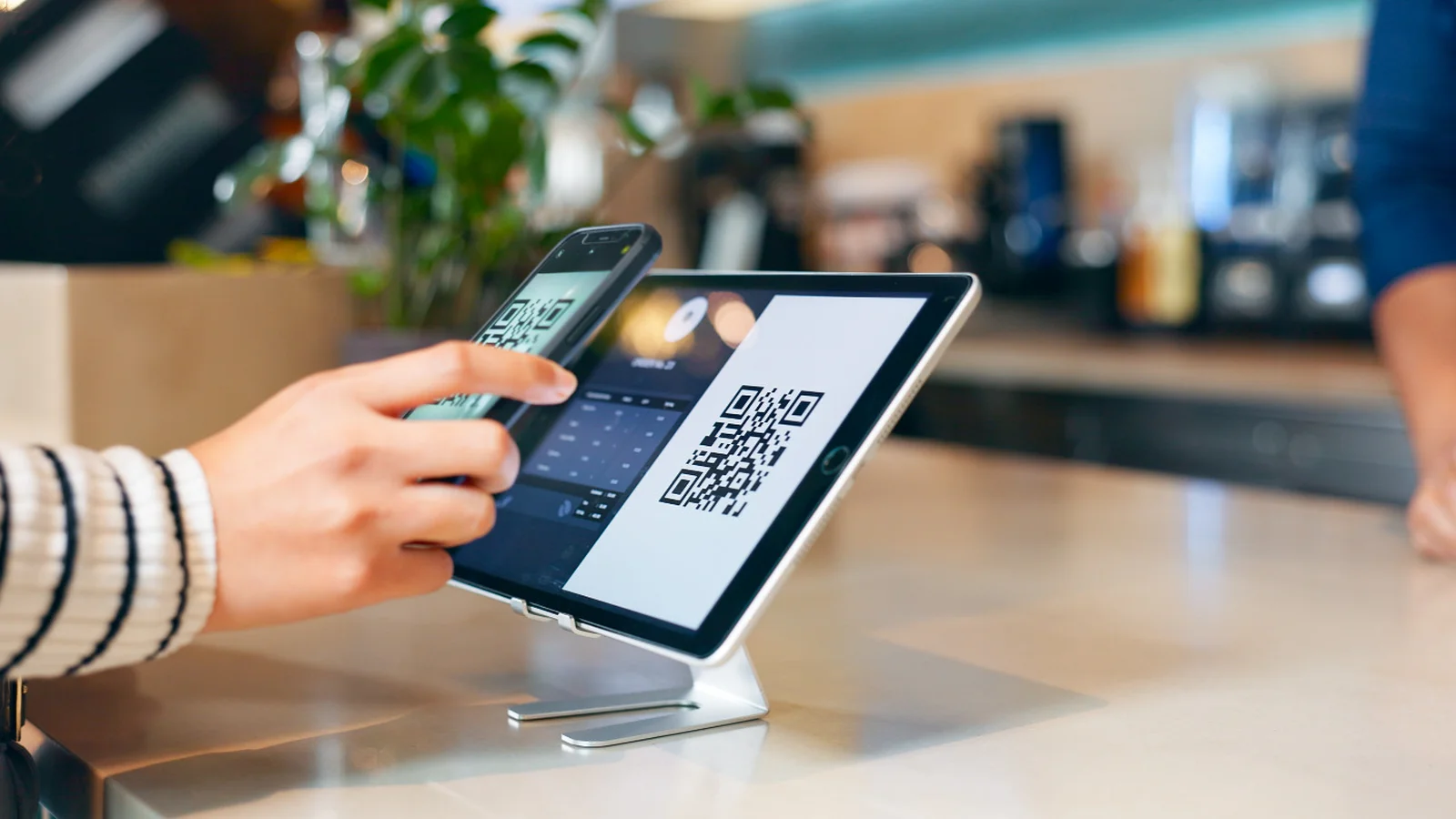
Even as plenty of that hardware remains active in the field, retailers have been migrating to QR codes, which offer a credible alternative and provide a level of convenience for consumers who have become increasingly comfortable paying for anything with their phones. Deploying QR codes offers tremendous cost savings for retailers who no longer need to concern themselves with managing payment terminals and other hardware that are often exposed to the elements and therefore prone to damage.
However, deploying QR codes is not as simple as placing a sticker on a signpost or side of a vending machine. Retailers seeking to benefit from QR code payments must ensure that consumers feel secure and trusting enough to want to use them and are protected from scammers and criminals, particularly when they are being asked to provide personal and financial information via a mobile website or application. Addressing this challenge is likely to determine the future of QR code payment at unattended retail locations.
One size doesn't fit all in unattended payments
As retailers roll out QR codes with increased speed, they need to first understand that unattended payment environments are not all the same, especially from the standpoint of security and fraud. An unattended pool table in a bar full of people carries a low fraud risk, because there are people around it the whole time. On the other hand, an EV charging station in the middle of nowhere is another matter.
In some scenarios, QR codes may make sense. In others, other modern payment technology capabilities may be more appropriate, like an app, NFC, a contactless payment option, or a good old-fashioned credit card reader. The proper payment solution should be dictated by how unmanned the site may be and corresponding security requirements.
Instead of making sweeping decisions for all unattended assets and forcing one approach everywhere, retailers should review the individual security and payment experience considerations. This will help inform an unattended payment strategy that is flexible enough to ensure the right combination of payment technologies are used in each unique environment.
Payment convenience creates security risks
Unattended payments fraud will always be a pervasive challenge facing retailers, as it is in some shape or form across all facets of the industry. In the U.S., for example, the deployment of fake QR codes is growing. Microsoft reported that QR-code phishing, or Quishing, increased an astounding 146% during Q1 2026, rising from 7.6 million incidents in January to 18.7 million in March, just two months later. Cybercriminals will consistently seek new ways to target unstaffed or low supervision environments where few or no employees are present to witness equipment tampering or QR-related nefarious behavior.
The reality is the further a payment device sits from a person, the more vulnerable it is to fraud. For retailers, addressing the challenge is an engineering job and requires exploring tamper-evident designs so fraudulent codes cannot be quietly overlaid on top of legitimate ones.
Trust is the key to QR code adoption
Even in the face of risk, unattended payments retailers will continue to move away from the fixed terminals and towards technologies like QR codes because of the aforementioned cost pressures. In an era where margins are already thin, and where retailers are managing tens of thousands of unattended payment assets, QR codes can be deployed and managed at a fraction of the cost.
But it will only take one negative experience for a consumer to lose that critical trust. Retailers will only benefit most from migration to QR codes when consumers can scan a code and complete a transaction without having any reason to think twice.
About Conn Byrne

Conn Byrne currently serves as the Executive Director of Integrated Payments at Payroc. With a wealth of experience and expertise, Conn is responsible for developing and implementing Payroc’s Integrated Sales strategies across the U.S. and European markets. His primary focus lies in driving the company’s tech-focused revenue growth through new business acquisition and strategic initiatives with key channel partners.
Related Media
Subscribe
Get the latest news and resources from Retail Customer Experience.