Marketing
The loyalty gap: What shoppers need from retailers now
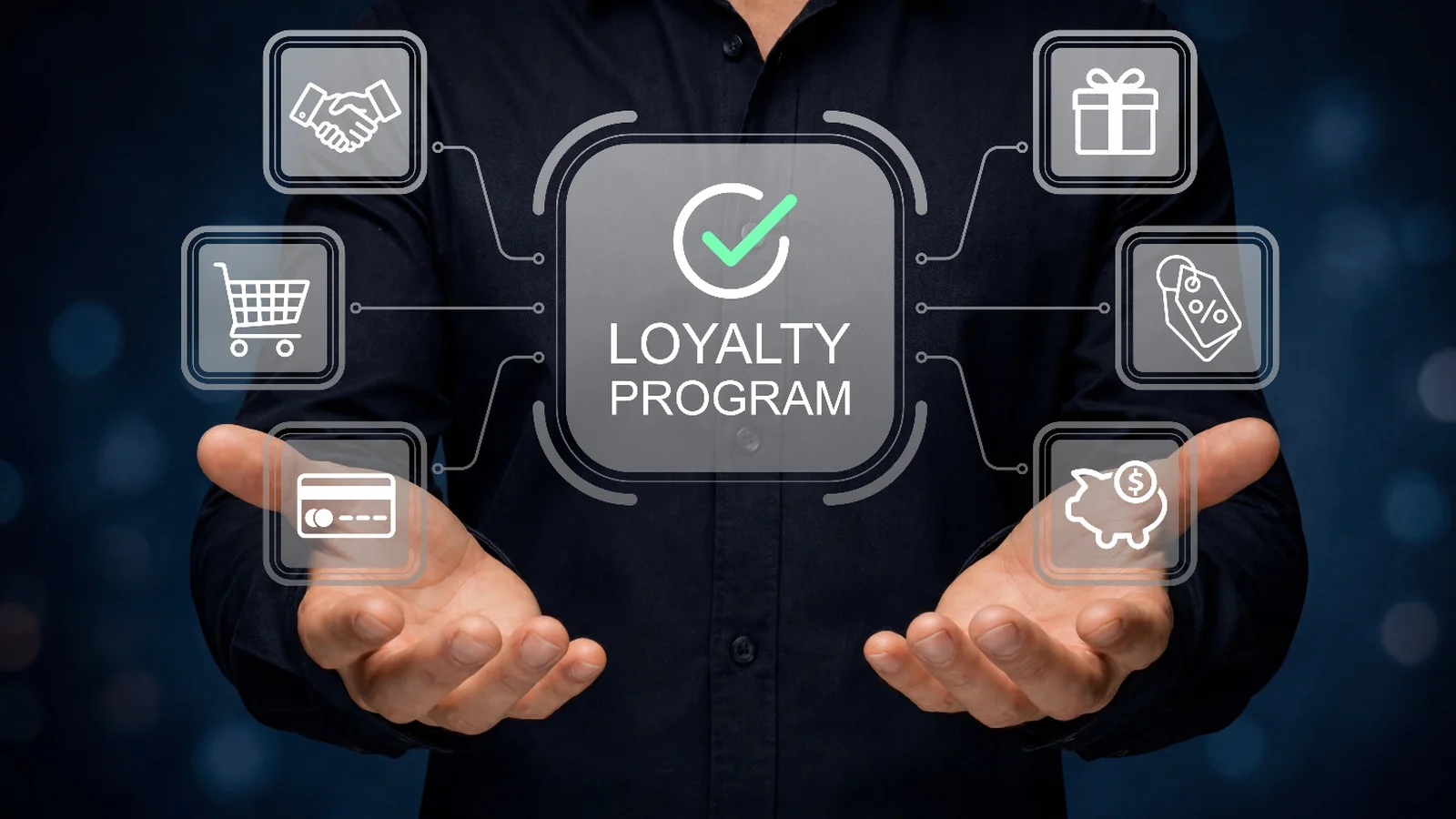
Retailers can close the loyalty gap by designing programs around customer needs rather than individual channels.
September 10, 2026 by Dr. JR Slubowski — VP of Strategic Counseling, Kobie
 ChatGPT
 Grok
Grok Perplexity
 Claude
As shopping journeys span social media, AI tools, and third-party platforms, customers want loyalty benefits and recognition to follow them across these channels.
Retailers have spent years making loyalty programs more personalized, digital, and easier to use. Yet customers increasingly discover products on social platforms, research purchases with AI tools, and buy through marketplaces or delivery apps. The transaction may still belong to the retailer, but the relationship is being shaped elsewhere, creating a gap between where customers shop and where loyalty benefits are available. Customers want recognition, relevance, and earned value to travel with them across that journey.
Loyalty must keep up with how customers shop
Recent data collected from nearly 3,000 retail loyalty members in the US in May of 2026 showed that nearly 45% of retail loyalty members sometimes discover products through social channels, while almost 35% use AI to research products. Fewer than 20% currently complete purchases through these alternative channels, but social media and AI can influence what customers buy long before checkout.
A customer might discover a product on TikTok, compare options using an AI assistant and complete the purchase on the retailer's website. The sale appears direct, even though the customer formed a preference before visiting the retailer. A loyalty program that appears only at checkout misses opportunities to provide useful recommendations, explain available benefits or help the customer earn rewards along the way.
Consumers already recognize this gap. Sixty-one percent wish their loyalty programs followed them wherever they shop, and 69% say they would engage more if those programs worked seamlessly across channels.
When buying directly through a brand's website or app, 66% said they feel most loyal to the brand or retailer. That share drops to 33% when they shop through third-party marketplaces or services such as Instacart and DoorDash, and drops to 29% when they purchase through social media platforms. As outside platforms take more of a role in the shopping experience, they can begin to compete with retailers for the customer relationship.
Retailers can preserve that relationship without asking customers to change how they shop. Members need practical ways to receive credit and use their benefits when purchases happen outside a brand's website or app. The exact approach will vary by channel, but customers should not lose the value of their membership because they chose a more convenient way to buy.
Deals matter, but they cannot carry the relationship
Discounts remain valuable, especially when customers are watching their budgets. However, a loyalty strategy built primarily around promotions depends on the retailer continuing to offer the lowest price.
Even on a brand's website or app, only 20% of consumers say the deal matters more than the brand. While price becomes more influential on third-party marketplaces, where 34% simply choose the best offer, most shoppers are weighing other factors alongside discounts. Promotions may drive an individual purchase, but they don't give customers a compelling reason to come back when another retailer offers a similar deal. Loyalty programs can offer value beyond discounts through convenience, access, service, and relevant recognition. Members should understand what they can earn, how they can use their rewards, and what they gain by signing into their accounts when they shop.
A program becomes more useful when it saves customers time and reflects their history with the brand, not only when it delivers another coupon.
Build loyalty around the customer
AI could widen the gap between retailers and customers as automated shopping becomes more common. If shoppers rely on AI assistants to compare products or make purchases, they may expect those tools to consider their memberships, available rewards, and other benefits. Retailers will need to decide how approved tools can access relevant loyalty information while maintaining customer consent, transparency, and access to human support.
Most retail loyalty programs were built around a direct relationship between a brand and a customer. That relationship now stretches across retailer websites, social platforms, marketplaces, delivery services and AI tools. Customers do not see the systems and partnerships operating behind the scenes, but they do expect the brand to recognize them and provide the value they have earned.
Retailers can close the loyalty gap by designing programs around customer needs rather than individual channels. Customers want to be recognized, receive clear value, and know that their activity counts. Loyalty programs designed around those needs can remain relevant even when the retailer no longer controls every step of the journey.
About Dr. JR Slubowski

As VP of Strategic Consulting, JR leads the implementation of loyalty strategies and roadmaps that deepen brand’s relationships with their members. He specializes in behavioral psychology as Kobie’s resident “pracademic”, leading a Research Center of Excellence to produce actionable consumer insights brands can leverage. With more than 26 years of experience in loyalty strategy, analytics, product development and consulting, JR previously served as Sr. Director of Consulting at Maritz Motivation, working across a broad range of industries.
Related Media
Subscribe
Get the latest news and resources from Retail Customer Experience.
Recent Posts