Consumer Behavior
Why Gen Z's shift offline is changing the rules of brand building for retailers
As digital channels become more fragmented and less predictable, the brands that will stand out are those that combine seamless digital experiences with meaningful in-person interactions.
September 24, 2026 by William Weeks — Chief Marketing Officer, Pion
 ChatGPT
 Grok
Grok Perplexity
 Claude
Social media has remained a central pillar of youth marketing over the last decade. In a world largely seen through such a 'digital lens', the reliance on this medium has only become more prominent for marketeers aiming to connect with audiences — whether than be through paid advertising, influencer partnerships, or organic content, platforms such as TikTok, Instagram, YouTube
However, society seems to be seeing a shift in consumer habits, particularly amongst Gen Z, who are craving more in-life brand experiences than ever before. Gen Z's desire for experiential brand activities are only amplified through the UK government's backing and recent social media ban for under 16's, meaning retailers and brands alike are going to have to reconsider their strategies if they want to connect with the modern consumer's mindset.
For retailers, this shift presents both a challenge and an opportunity. Consumer attention has not disappeared, it has simply become harder to capture through traditional digital marketing alone. As a result, experiential retail is becoming an increasingly important way to acquire customers, strengthen loyalty and build lasting relationships.
Retails and reducing the reliance on social
Social media has become a cornerstone of customer acquisition for many retailers. Its scale, targeting capabilities and measurable performance made it an obvious investment. However, recent years have exposed the risks of relying too heavily on channels that retailers do not own. Algorithm updates can significantly reduce organic reach, privacy changes have weakened audience targeting, and paid acquisition costs continue to rise. Potential restrictions affecting younger audiences only add another layer of uncertainty.
The challenge for retailers is clear: how do you continue to engage customers when digital access becomes less predictable? The answer increasingly lies in creating experiences that customers actively choose to participate in, rather than simply trying to interrupt them while they scroll.
The store is becoming a media channel again
Experiential marketing has traditionally been viewed as a brand awareness exercise, with pop-up stores, product demonstrations and live events generating excitement but offering limited visibility into commercial impact. That perception is changing.
Today's retailers can connect physical experiences directly to measurable business outcomes through loyalty programs, QR codes, mobile apps, exclusive offers and digital sign-ups. This makes experiential marketing far more than a branding exercise, it becomes another customer acquisition and retention channel.
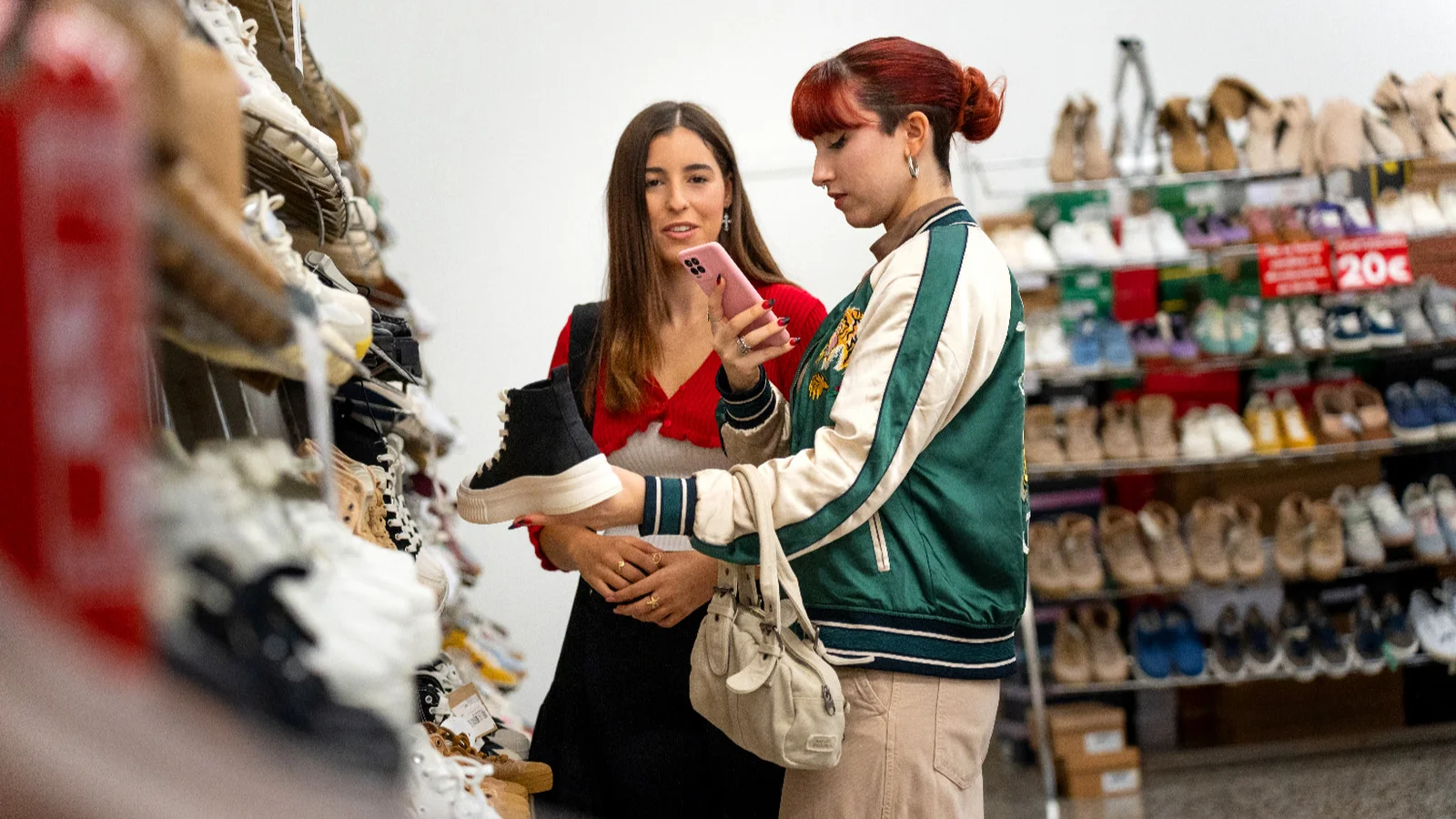
When shoppers engage with a retailer in person, they give something increasingly difficult to earn online: focused attention. Whether it is an in-store event, an interactive product launch or a community activation, these experiences create memorable moments that encourage repeat visits, word-of-mouth recommendations and social sharing. As physical retail continues to evolve beyond transactions, experiences are becoming one of the clearest ways for retailers to differentiate themselves from competitors.
Owning the customer relationship through first-party data
As privacy expectations continue to rise, first-party data is becoming one of retail's most valuable assets. For years, retailers relied heavily on digital platforms to identify and target prospective customers. Increasing regulation and changing platform policies mean that approach is becoming less effective. Rather, building direct customer relationships has never been more important.
Experiential retail provides natural opportunities to collect consented first-party data through event registrations, loyalty programs, competitions, exclusive product launches and membership experiences. Every interaction creates an opportunity to strengthen a direct relationship that is independent of third-party platforms.
Retailers that successfully build these relationships will be better positioned to personalize future experiences, improve customer retention and reduce their reliance on increasingly expensive paid media.
Winning Gen Z beyond the feed
Although Gen Z has grown up with social media, its relationship with digital platforms is becoming increasingly nuanced. Younger consumers continue to spend time online, but they also place growing value on authenticity, community and experiences that feel genuinely worthwhile.
For retailers, this means engagement cannot rely solely on digital advertising. Pop-up experiences, creator collaborations, in-store workshops, product launches, local partnerships and community events all offer opportunities to connect with younger shoppers in ways that feel more authentic than traditional promotional messaging.
Gen Z is highly effective at filtering out advertising. What often captures their attention instead is participation. They are more likely to engage with brands that offer entertainment, exclusivity, education or a genuine sense of belonging. Retailers that successfully blend digital convenience with meaningful real-world experiences are likely to build stronger emotional connections than those relying primarily on paid social campaigns.
Experience is retail's competitive advantage
As digital marketing becomes more fragmented and regulated, physical experiences may become one of retail's strongest competitive advantages. Well-designed in-store experiences build trust, increase brand recall and encourage customer loyalty in ways that are difficult to replicate online. Importantly, this does not mean shifting investment away from digital marketing altogether.
The most effective retail strategies increasingly integrate physical and digital channels. An in-store activation can generate valuable first-party data, while digital platforms extend the relationship through personalized communications, loyalty rewards and ongoing engagement. This joined-up approach creates a more resilient marketing strategy—one that is less vulnerable to changes in algorithms, platform policies or advertising costs.
The future of retail: Omnichannel by design
The debate around social media restrictions reflects a much wider transformation taking place across retail marketing. Privacy regulation, platform fragmentation, changing consumer expectations and rising acquisition costs are all encouraging retailers to invest more heavily in direct customer relationships.
In fact, as digital channels become more fragmented and less predictable, the brands that will stand out are those that combine seamless digital experiences with meaningful in-person interactions. Experiential retail isn't replacing digital - it's making omnichannel strategies stronger by building loyalty, capturing valuable first-party data and creating customer relationships that aren't dependent on changing algorithms.
About William Weeks
William is an award-winning global marketing leader with over 15 years of experience across technology, media, retail, and travel. As Chief Marketing Officer at Pion, he drives integrated strategies that fuel acquisition, engagement, and retention, shaping the company’s growth in consumer group marketing. Previously, he was senior global marketing roles at STA Travel, Day 8 Experiences, and Contiki.
Related Media
Subscribe
Get the latest news and resources from Retail Customer Experience.