Customer Service
Why delivery choice belongs in your CX strategy
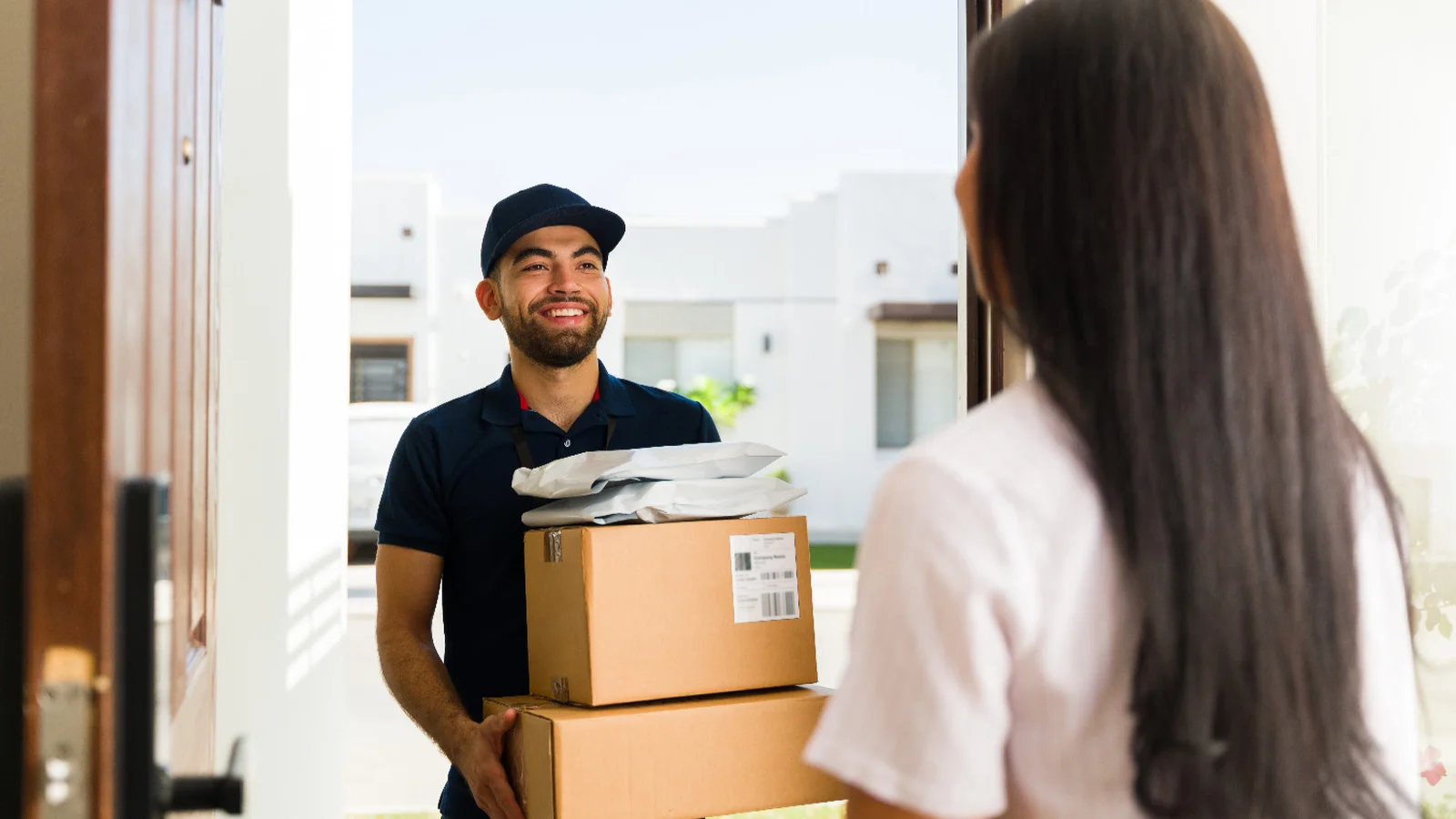
Veho's 2026 State of Delivery report reveals 44% would try a brand they had never bought from before if it gave them more control over when and how a package arrived. This represents a huge opportunity for brands.
November 10, 2026 by Catherine Dummitt — VP of Marketing, Veho
 ChatGPT
 Grok
 Perplexity
 Claude
Picture the hottest day of the year. The ice cream shop on the corner, the line running out the door, and a woman in it who has been thinking about one thing since lunch: a scoop of tangy orange sherbet, the kind she's been chasing since she was nine.
She gets to the front. The board says vanilla and chocolate.
Both are perfectly good. Neither is what she came for.
She orders the vanilla, because it's hot and she's already in line. It's a fine cone. It's just not the one she'll tell anyone about, and she won't come back for it again.
That's similar to the checkout experience now.Two delivery options, both reasonable, neither one built around what the customer wants. The order goes through. Revenue looks fine. Nothing about the moment ever surfaces as something to fix.
Which is a little strange, because retail has spent a decade getting genuinely good at personalization everywhere else. Retailers know each customer's size and colorway, payment preference, which store they'd rather pick up from, and how often they want the reorder to show up. Then customers reach the delivery step and get a short list someone else wrote for them — a drastic drop off in the personalization they've come to expect.
Veho recently surveyed almost 2,000 U.S. shoppers for its 2026 State of Delivery report and found that 44% said they'd try a brand they had never bought from before if it gave them more control over when and how a package arrived.
This represents a huge opportunity for brands. Nearly half of shoppers are willing to give someone new a chance, simply for being asked what delivery works for them.
Shoppers want choice
Ask shoppers what they want from delivery and they don't say "faster." Shoppers increasingly want delivery that fits their lives and schedules similar to their desired payment method or pickup location.
Sixty-seven percent want to choose their delivery speed — which includes slower options that better fit their week and their budget. Forty-eight percent want options at different price points and 45% t want to choose which delivery network handles the package.
Preference doesn't stop at checkout, either. Fifty-six percent of shoppers have specific preferences for where or how a package should be left — behind a planter, inside a gated entry, with a neighbor, anywhere but the front step.
These preferences have largely remained invisible to retailers because nobody bothered to ask.
Missed connections
Despite brands spending millions to understand each customer's preferences, they have yet to understand their customers' calendars. With default only delivery brands are missing a prime opportunity to fit in with their customers' lives and schedules.
Seventy-two percent of shoppers have missed a delivery because they weren't home. To avoid that, 60 percent have canceled plans or rearranged their schedule to be there. Fifty-seven percent have canceled on family or friends. Fifty-one percent have stayed home from work, school or another obligation.
A delivery window nobody chose is asking more than half of a retailer's customers to give up an evening. Those are CX numbers, not fulfillment numbers and it impacts the bottom line.
Among shoppers who have missed a delivery, 32% say the experience made them less likely to order from that retailer again a package that technically arrived, quietly costing the next order.
Agency doesn't have to mean complexity
The reasonable objection is that every option added to a checkout page is one more decision the shopper has to make, and decisions are friction. Retailers have spent years stripping steps out of checkout.
But agency and option overload are different problems. Most shoppers don't want to configure a delivery. They want the obvious right answer pre-selected and the ability to change it. A retailer that knows a customer has chosen the cheapest option on every previous order can preselect the most likely option, while still giving her the ability to change it if her needs changed. Then move most of the choice after checkout. Control doesn't have to happen in the conversion flow at all. Seventy-seven percent of shoppers say they'd use the ability to text their delivery driver. Forty-six percent describe their ideal delivery as one they can track in real time and redirect if something changes. Those are decisions people are perfectly happy to make, after they've already made a purchase.
Shoppers already want this control. Forty-nine percent check the status of a package at least once a day, including 24% who check multiple times a day. A brand's tracking page gets daily voluntary attention from half its buyers, and most brands still build it like a utility bill.
The payoff Is preference
Delivery choice reads like an operations decision but behaves like a brand one.
Fifty-six percent of shoppers say they have actively prioritized certain retailers because of a good delivery experience in the past.
That's what optionality delivers: a customer who comes back because she already knows this brand will get it right for her.Two flavors will move product on a hot day but the shop that has what she came for is the one she'll return to again and again.
About Catherine Dummitt

Catherine Dummitt is VP of Marketing at Veho, the leader in next-gen shipping. Catherine oversees all aspects of Veho's marketing, generating brand awareness, driving demand, and powering customer advocacy. As a marketing leader, Catherine thrives on building teams that foster belonging, challenge conventional thinking and drive growth. She's known for her data-driven approach and creative campaigns that break through the noise in retail marketing. Previously, Catherine was VP of Marketing at Narvar. Before that, she held marketing leadership roles at Zeta Global and IgnitionOne.
Related Media
Subscribe
Get the latest news and resources from Retail Customer Experience.