Omnichannel
“Where’s my package” problem: The revolution in retail logistics
By elevating logistics from a back-office function into a core component of customer experience, brands can turn one-time buyers into lifelong fans.

April 21, 2026 by Sritama Sanyal — Product Marketing Manager, Elastic Run
 ChatGPT
 Grok
Grok Perplexity
 Claude
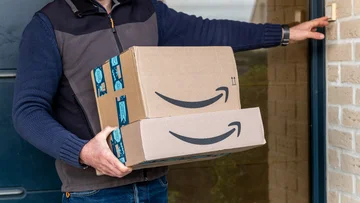
In today' retail landscape, the customer's experience doesn't end when they click "Buy." It starts when they start waiting for their package. That nervous refresh of the tracking page, the quick look out the window in hopes of seeing a delivery van, and the anger when an expected arrival doesn't happen: these are the moments that define brand loyalty in ways that no marketing campaign can change. If the package arrives three days late or, even worse, gets lost, a smooth checkout process doesn't mean anything.
The uncomfortable truth is that even though shopfronts and apps are flashier than ever, the logistics behind the scenes often can't keep up. Retailers spend millions of dollars making their online stores perfect, but the systems that handle the actual delivery of the customer's order and the operations in the warehouse are often old and reactive. Brand loyalty dies in this "experience gap." One late delivery can ruin the goodwill built up by a thousand perfect transactions right away.
The old way of managing logistics was mostly reactive: keep an eye on the package, find out what went wrong when it does, let the customer know, apologise, and rush to fix it. But the industry is moving toward something much more advanced: "agentic" systems that not only report problems but also fix them before customers even know something is wrong.
Consider a real life scenario: a regional logistics station suddenly experiences a bottleneck because of unexpected volume or equipment breakdown. In the old model, this problem would only be discovered when packages start to miss their delivery windows. Managers would look over end-of-day reports, hold meetings, and put plans into action, all while angry customers were already calling support lines.
Now picture a system that works autonomously, that can see the pattern in real time while it happens. It recognizes the slowdown, figures out how it will affect deliveries downstream, and immediately starts sending incoming shipments to a nearby facility that has space. Drivers get new instructions on their own. The bottleneck is fixed before it causes delays for customers. This isn't a story from the future; it's the new standard for competitive retail logistics.
Precision in the 'last mile'
The 'last mile,' or the last trip from the distribution center to the customer's door, is the most important and most expensive part of the delivery process. It's where the customer's hopes meet reality, and where small problems add up to thousands of deliveries every day.
Micro-sectoring and advanced address correction are the key parts of the breakthrough strategy here. In cities with a lot of different things going on, a standard pin code is often too broad to be useful. One postal code could cover many apartment buildings, gated communities, or buildings with confusing numbering systems. The result? Delivery people waste a lot of time driving in circles, looking for hard-to-find entrances, or trying to deliver to the same address more than once.
Retailers can cut down on mis-sorts by up to 70% by mapping unstructured addresses to exact local "micro-sectors." This means turning unclear directions like "near the old water tank, third lane on the left" into clear, useful delivery coordinates. Everyone wins when drivers spend their "out-on-road" time delivering instead of looking for things. Customers get their packages faster, drivers make more deliveries per shift, and costs go down a lot.
Navigating warehouse bottlenecks and fraud
Behind every smooth delivery experience lies an invisible infrastructure of warehouse operations and workforce management. Inefficiencies in these areas—overstocking, manual sorting errors, inventory mismatches — silently erode retail margins and customer trust. Add the risk of dishonest people in the delivery chain, and the problem gets even harder to solve.
There are two clear solutions that can be put into action. First, predictive replenishment uses data on how much people use and how long it takes to get more to automatically set stock levels across the network.
Instead of ordering reactively, which can leave you with too much stock or the dreaded "Out of Stock" message, systems can predict changes in demand and make adjustments on their own. Second, the person delivering your package is representing your brand at the most personal touch point in the entire customer journey. It's not just about security when you use multi-layered background checks for field workers. It's also about making sure that the person at your customer's door is trustworthy, professional, and verified. This trust-through-tech method keeps both customers and the brand's good name safe.
The future Is in the details
Using autonomous monitoring and accurate logistics data not only cuts costs, but it also makes operations more precise, which customers can genuinely feel. When 99.96% of packages arrive on time, drivers know exactly where they're going, and inventory always matches demand, the customer experience changes. What used to be a stressful wait is now a service that is always there when you need it.
The future of retail is won in the warehouse and on the road, not just on the website. By elevating logistics from a "back-office" function into a core component of customer experience, brands can turn one-time buyers into lifelong fans. In a time when everyone offers free shipping, the real competitive edge goes to those who can actually deliver on that promise — exactly, consistently, and on their own.
About Sritama Sanyal

Related Media
Subscribe
Get the latest news and resources from Retail Customer Experience.