Omnichannel
Fuel costs hitting import carriers may impact retailers, customers
April 9, 2026
 ChatGPT
 Grok
Grok Perplexity
 Claude
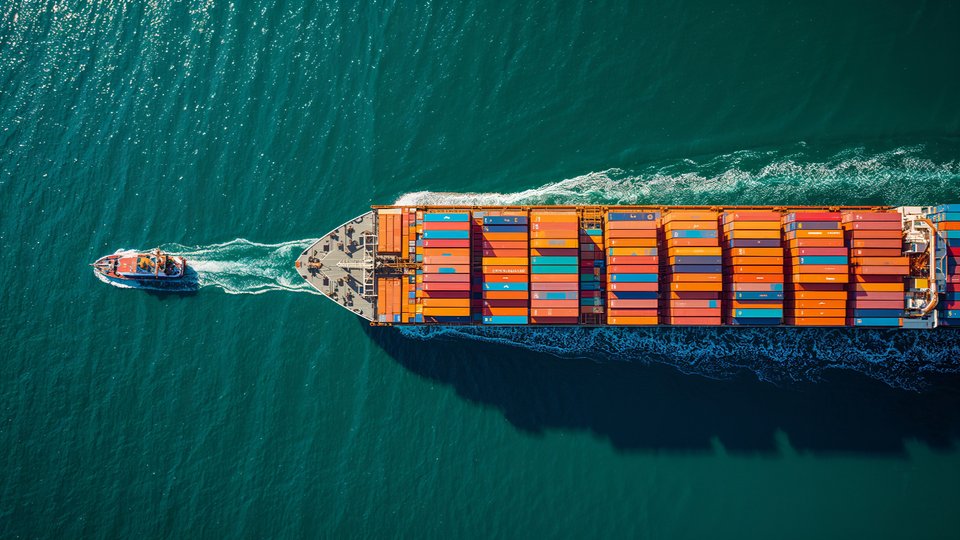
While imports at U.S. container ports aren't being significantly impacted by the Iran conflict, an increase in fuel costs for ocean carriers could eventually impact retailers and customers, according to the National Retail Federation.
The organization cited a Global Port Tracker data report released by NRF and Hackett Associates, according to a press release.
"Just because retailers don't import a lot of merchandise from the Middle East doesn't mean the U.S. supply chain isn't affected by the turmoil there," NRF Vice President for Supply Chain and Customs Policy Jonathan Gold said in the release. "The supply chain is global and disruptions anywhere along it can have ripple effects whether it's rerouting of vessels, equipment out of position, higher fuel costs for shippers or rising gas prices that leave less money in consumers' pockets. Retailers are monitoring the situation on a daily basis and working with their transportation partners to minimize any impact. In the meantime, retailers continue to face rising tariffs and continued trade policy uncertainty that put downward pressure on imports and upward pressure on prices."
Hackett Associates Founder Ben Hackett said volume at U.S. container imports has been slowed by tariffs but is not being significantly affected by the situation in Iran because little U.S. container cargo comes from the region.
"The United States is less impacted operationally as there is no shortage of fuel at U.S. ports, but the price of fuel here is based on international pricing," Hackett said in the release. "Higher fuel costs drive up the price of shipping a container for either import or export and ultimately have an inflationary impact on consumers and other end users."
Related Media
Subscribe
Get the latest news and resources from Retail Customer Experience.
Recent Posts