Customer Service
How accessible packaging is changing the retail experience
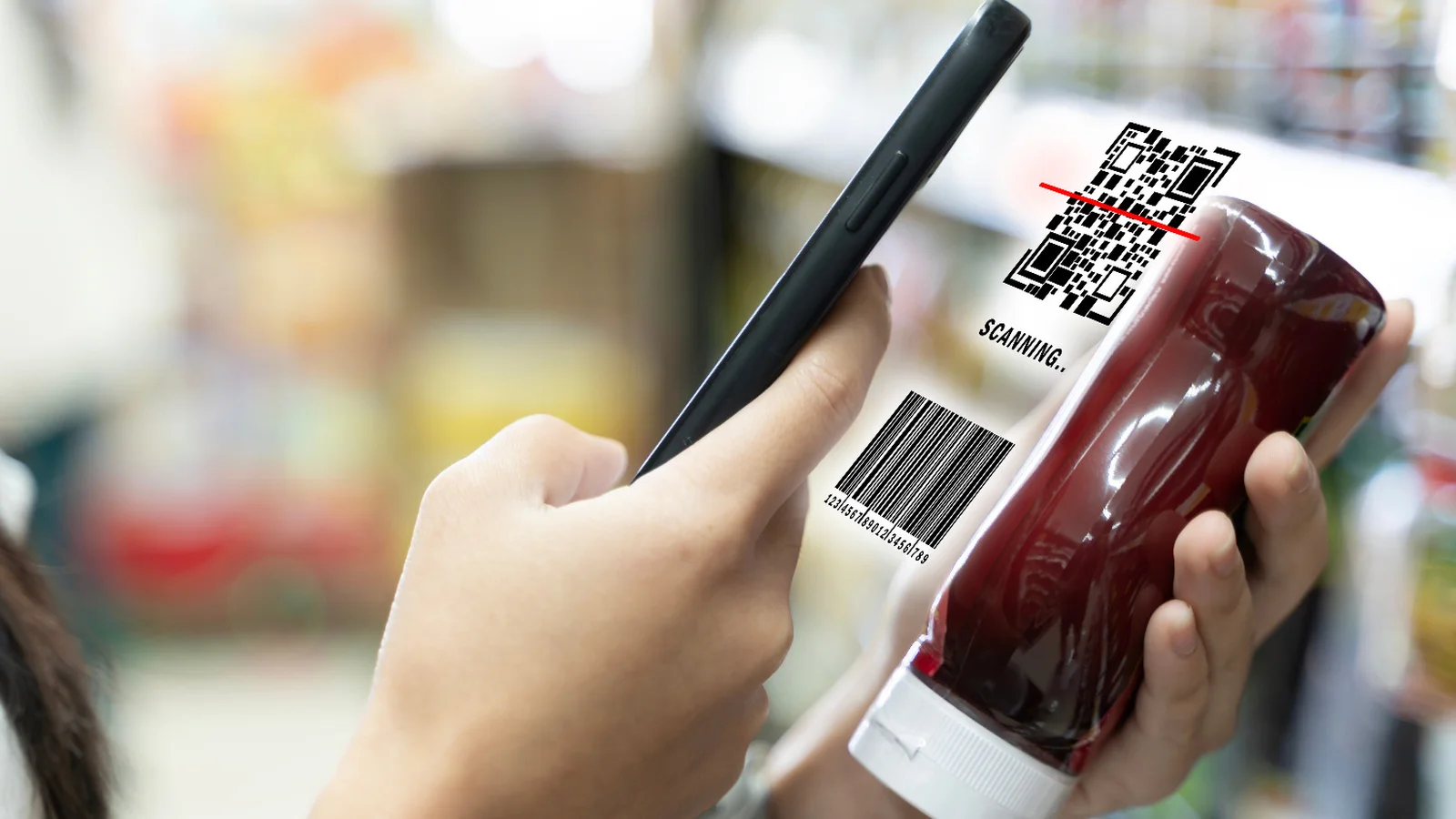
Walk through any store and you’ll see QR codes on packaging, connecting shoppers to recipes, promotions and brand information. But for millions of consumers, that digital doorway has remained partially closed.
May 22, 2026 by Andy Meadows — Vice President of Product, Loftware
 ChatGPT
 Grok
Grok Perplexity
 Claude
Walk through any store and you'll see QR codes on packaging, connecting shoppers to recipes, promotions and brand information. But for millions of consumers, that digital doorway has remained partially closed.
More than 40 million people worldwide are blind and another 285 million live with low vision. For these consumers, basic product details such as ingredients, allergens or usage instructions are often inaccessible, forcing them to rely on others when shopping or using everyday products.
As retailers and brands expand the use of connected packaging, this gap is becoming harder to ignore. Accessibility is no longer just a compliance topic. It is increasingly a customer experience issue.
The limits of traditional packaging
For decades, packaging has been designed primarily for visual consumption. Nutritional information, safety instructions and product descriptions are typically printed in small text or conveyed through icons. Someone who is blind or has limited vision may not be able to independently identify products, confirm ingredients or understand how to use them.
QR codes and connected packaging are beginning to change that equation. The same technologies that retailers use to link physical products with digital experiences and product identification can also unlock accessible information for shoppers who need it most.
A standard QR code can already connect consumers to digital product content. But for someone with visual impairment, finding and navigating that information can still be difficult.
Accessible QR codes address this challenge by combining computer vision markers with mobile accessibility tools. To most shoppers, they appear identical to traditional QR codes. But when scanned using widely used assistive apps such as Seeing AI or Be My Eyes, the code triggers an experience designed specifically for screen readers and voice navigation.
Instead of interpreting small text on packaging, the user hears spoken guidance describing the product, its ingredients and instructions for use through tools they already rely on in daily life.
For retailers and brands, this approach offers something important: accessibility that does not require specialized hardware or entirely new packaging designs.
Why dynamic QR codes matter
Delivering accessible product information consistently across thousands of products requires more than simply adding a code to packaging. It requires a system that can manage content, adapt it for different audiences and scale globally. This is where dynamic QR code platforms play an important role.
Rather than linking to a fixed webpage, a dynamic QR code can route consumers to different content depending on factors such as language, location or device type. A single code printed on packaging can therefore deliver relevant information to shoppers in different markets or accessibility formats without requiring multiple packaging versions.
For accessibility use cases, that flexibility is essential. Product instructions may need to be adapted for audio narration. Guidance may need to explain how to open packaging or identify in
Because the content lives in a digital layer rather than on the package itself, brands can also update information without redesigning or reprinting packaging. This approach turns a simple QR code into a long-term communication channel between the product and the consumer.
Scaling accessibility across the retail ecosystem
One of the biggest barriers companies face when implementing accessibility initiatives is scale. Retailers and brands manage thousands of products across multiple regions, languages and regulatory environments, so accessibility solutions must fit existing packaging workflows and supply chain systems.
Modern connected packaging platforms allow accessible QR codes to be generated alongside other product identifiers and deployed across large product portfolios. The same code can support multiple functions simultaneously: consumer engagement, traceability, regulatory information and accessibility.
This "one code" approach matters for retailers because packaging space is limited and operational complexity is already high. A single code that supports multiple use cases reduces friction while expanding the value of connected packaging.
Designing accessibility that actually works
Technology alone does not guarantee accessibility. We've seen this firsthand through Loftware's BL.INK connected packaging platform and our partnership with immersive technology company Zappar, who has worked with global brands including Unilever, Nestlé, and Bayer to bring accessible QR experiences to market. One key lesson from these early deployments is that accessibility must be designed intentionally, not simply added as a technical feature.
First, placement matters. Codes need to be easy to locate on packaging both on the shelf and at home.
Second, content must be designed for context. Simply reading the printed text aloud often does not provide the information a user actually needs. Instructions may need to describe physical features of packaging or explain how to open or handle a product safely.
Third, communication is essential. Consumers need to know that accessible features exist and understand how to use them. Zappar collaborated with advocacy group Royal National Institute of Blind People, which helped test and refine the experience from grocery aisles to home kitchens.
When these elements come together, accessible packaging can restore an independence many consumers take for granted.
Accessibility as a competitive advantage
Regulatory momentum is building around digital product information and accessibility standards. Initiatives tied to the Americans with Disabilities Act, the European Accessibility Act and emerging global product identification standards such as GS1 Sunrise 2027, are encouraging companies to rethink how information is delivered on packaging.
But forward-looking retailers are discovering that accessibility offers more than regulatory readiness. Inclusive packaging strengthens trust, builds loyalty and improves the shopping experience for millions of consumers and their families.
The technology is ready. The infrastructure is already being deployed across store shelves. The question is no longer whether connected packaging will transform retail experiences. It is whether those experiences will be designed for everyone.
About Andy Meadows

Andy Meadows is Vice President of Product at Loftware, the global leader in Enterprise Labeling solutions. Andy drives Loftware’s strategy for connected packaging, Digital Product Passport (DPP), and digital link engagement, empowering brands to deliver compliant, data-driven, and immersive product experiences.
Related Media
Subscribe
Get the latest news and resources from Retail Customer Experience.