AI
The end of “Spring Splurges”: Why AI is driving more intentional retail behavior
Seasonal retail moments like spring refreshes aren’t going away, but they are evolving. What was once a cycle of impulse buying is becoming a cycle of intentional upgrading, guided by AI and grounded in value.
June 15, 2026 by Piyush Patel — Chief Ecosystem Officer, Algolia
 ChatGPT
 Grok
Grok Perplexity
 Claude
Spring, with the introduction of warmer weather, spring break holidays and budgets that haven't gone over yet for the year, has traditionally been driven by impulse buys and quick trend cycles. Retailers leaned into this cycle with promotions and seasonal campaigns designed to convert sales quickly.
That model is breaking down this year. The TikTok hype cycles and ever changing trending aesthetics are slowly morphing into searches for high quality pieces that last with intentional, value-based decision making. New data from Algolia shows that 44% of consumers now use generative AI to decide what's actually worth upgrading, while 43% rely on AI to time purchases around sales or price drops.
This signals a fundamental shift beyond what consumers are interested in purchasing into a behavioral change in how they plan to shop.
The rise of the "intentional upgrade" mindset
Consumers have become more selective and strategic with their purchases in light of challenging economic factors like rising gas prices and tumultuous tariff policies. Nearly 77% of shoppers say they're more likely to invest in long-lasting, high-quality items over fast fashion or low-cost alternatives. This aligns with broader shifts in the last year where shoppers have prioritized durability, sustainability and long-term value over volume.
Consumers are holding onto products longer, researching purchases more carefully and evaluating whether an upgrade is necessary at all. In fact, 72% shoppers now consider practical upgrades (better shoes, appliances, wardrobe basics) a form of treating themselves.
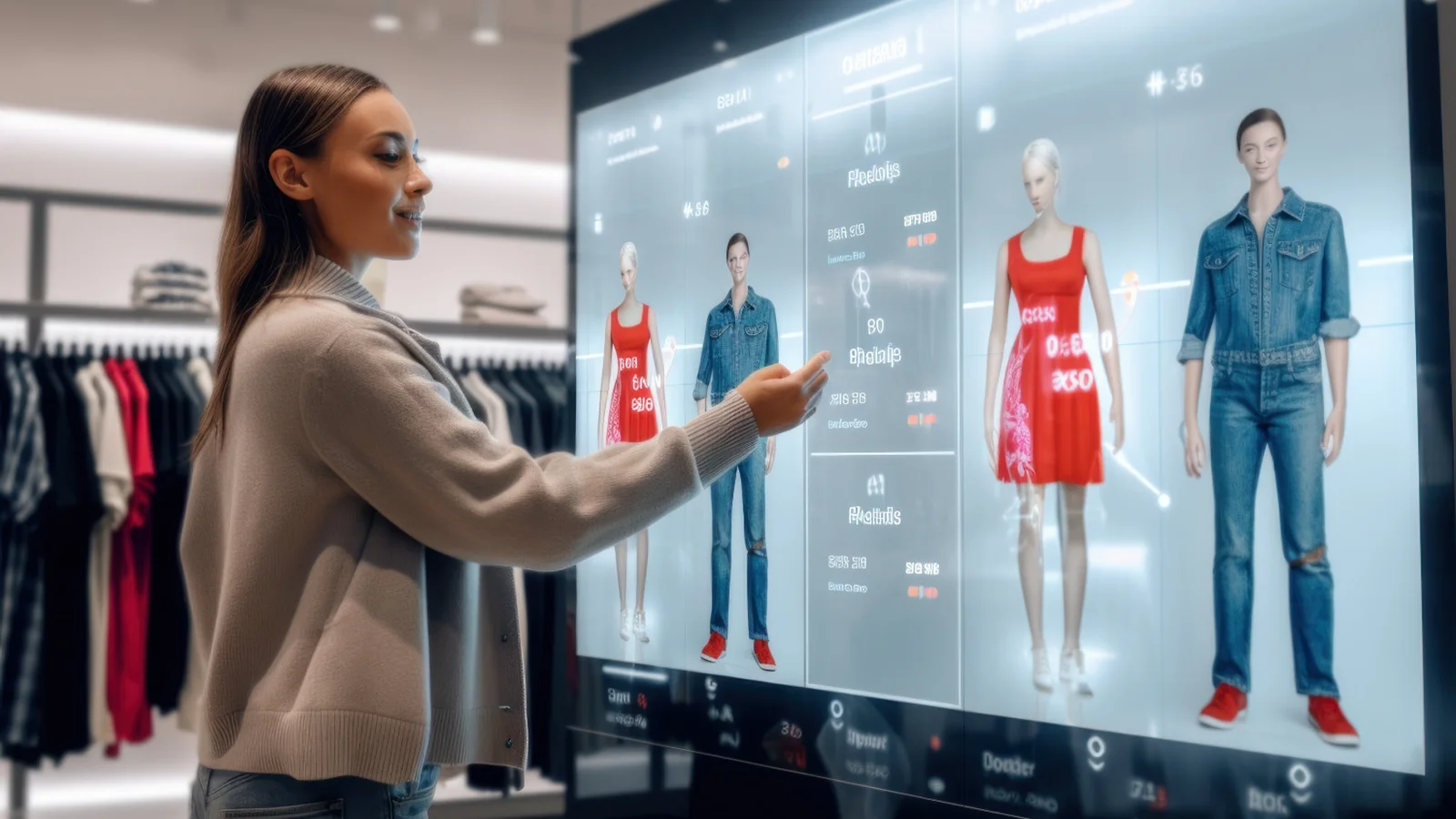
AI is assisting consumers in this pursuit. Instead of browsing endlessly or relying on fragmented reviews, consumers can now quickly assess product quality, compare alternatives and determine whether a purchase meets their specific needs. This results in fewer impulse buys and more intentional purchases.
AI is the new shopping assistant
Historically, AI has been used to power recommendations like similar items other customers bought or related items. This type of assistance has been useful in the past, but consumer expectations are deepening.
For example, 71% of shoppers say they would use AI-powered shopping guides to make the experience easier and more enjoyable. These tools go beyond basic recommendations, helping consumers compare similar products (price vs. quality, features vs. longevity) and align purchases with their budget and priorities.
Nearly half (46%) of consumers say they're satisfied with AI's ability to adapt recommendations to their budget. Personalization is evolving from preference-based to context-aware. This is a critical distinction. The next generation of AI in retail goes past predicting what a customer might want and steps up to help them decide what they should buy.
A shift for retailers
At odds with these consumer shifts, many retailers' websites and search still prioritize product exposure, and transaction volume. At the same time, shoppers face overwhelming and inconsistent product information, out of context reviews and rising to difficulty comparing options. By simplifying complex decisions, surfacing relevant information and providing clear, contextual recommendations, retailers can reduce uncertainty.
More than a quarter of consumers (26%) say they delay purchases because they're unsure they're making the right choice. Conversion is becoming increasingly driven by confidence and retailers need to evolve their strategy to focus on clarity, trust and creating long-term value with AI playing a central role to do so.
To meet evolving expectations, retailers need to move beyond traditional personalization and embrace decision-centric experiences, leveraging the following strategies:
- Shift from recommendations to decision intelligence: Provide context, not just options. Help customers understand why a product is right for them, or why it isn't.
- Design for upgrade behavior, not just discovery: Incorporate tools that help customers evaluate whether to replace, repair or keep what they already own.
- Integrate pricing and timing insights: With 43% of consumers using AI to time purchases, retailers should surface relevant promotions, price history or alternative options in real time.
- Build trust through transparency: Concerns around AI accuracy, bias and data privacy remain high. Clear explanations and user control are essential to adoption.
The future of seasonal shopping
Seasonal retail moments like spring refreshes aren't going away, but they are evolving. What was once a cycle of impulse buying is becoming a cycle of intentional upgrading, guided by AI and grounded in value. The AI platforms consumers are relying on, relying a fast access to accurate, deep data both on the products and the context in how those products might fit a consumer's needs.
For retailers that invest in helping customers make better decisions, they will see stronger trust, deeper loyalty and more sustainable growth.
About Piyush Patel

Related Media
Subscribe
Get the latest news and resources from Retail Customer Experience.