Consumer Behavior
Psychologists outline why many skip self-checkout
May 1, 2026
 ChatGPT
 Grok
Grok Perplexity
 Claude
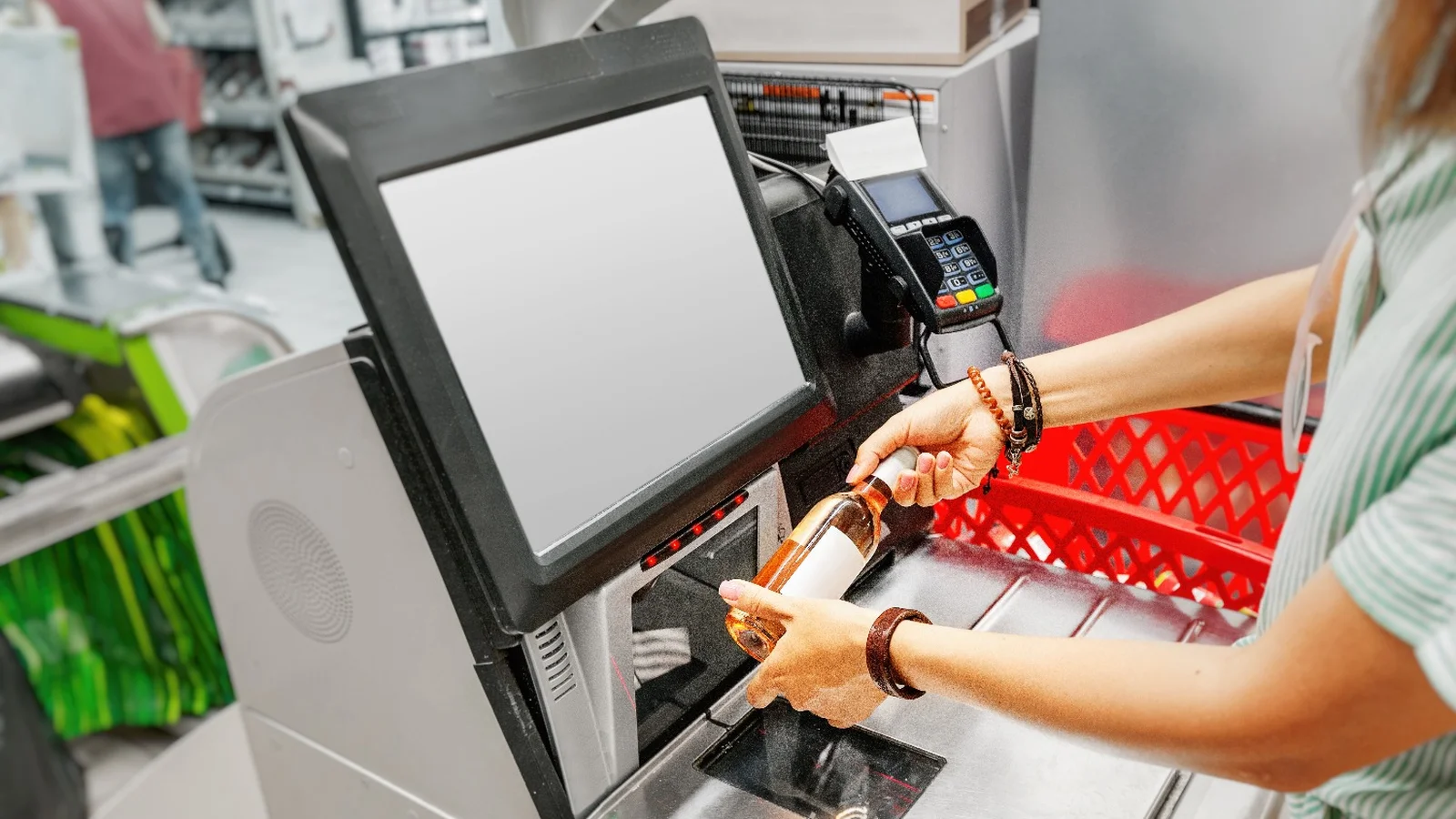
Despite the convenience of self-checkout kiosks, many shoppers still choose staffed checkout lanes, even when lines are longer. Experts claim the decision often reflects more than efficiency, as traditional checkout interactions have historically included human connection and service that self-checkout systems cannot replicate.
Psychologists point to the importance of "weak ties," according to an Upworthy report, or brief social interactions with strangers, as one reason some consumers avoid kiosks. These small exchanges can improve mood and provide a sense of belonging, particularly for individuals with limited daily social contact. For others, self-checkout disrupts long-standing expectations about customer service, creating discomfort with performing tasks that were once handled by store employees.
At the same time, self-checkout appeals to shoppers who value speed, privacy and control over their purchases. Some prefer avoiding social interaction or managing their own bagging and pace. However, research suggests that customers using self-checkout may feel less satisfied, as the added effort can reduce the perceived value of the transaction.
The shift toward kiosks also raises broader concerns about labor, surveillance and the retail experience. Critics argue that self-checkout transfers work to customers while increasing surveillance through cameras and AI-based loss-prevention systems.
Related Media
Subscribe
Get the latest news and resources from Retail Customer Experience.