Omnichannel
Evolving loss prevention into a CX function
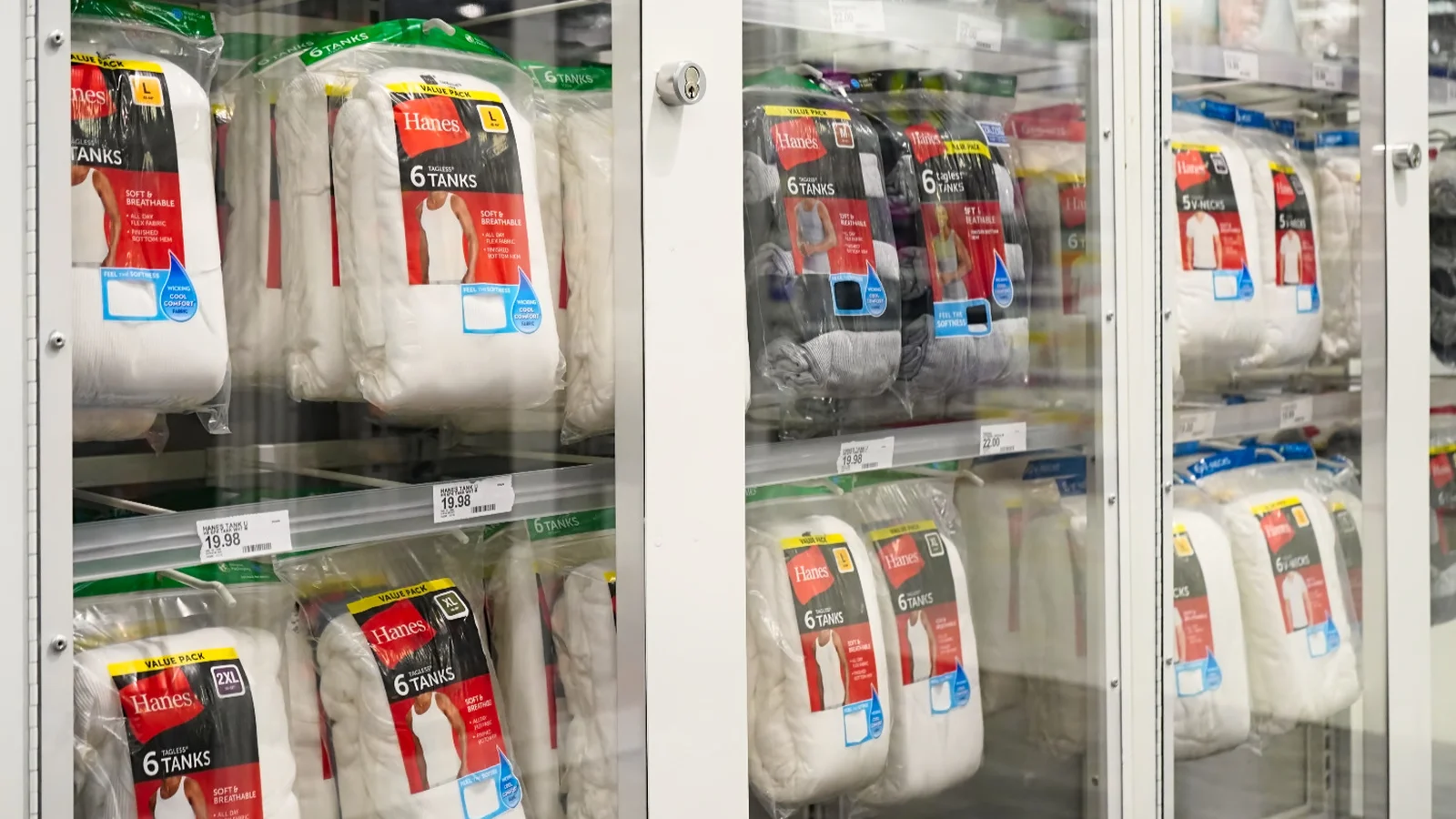
Locked displays and extra checkpoints are not meant to antagonize shoppers, but the extent to which they have grown to impact perception is undeniable.
October 1, 2026 by John Kim — Co-Founder and CEO, Sendbird
 ChatGPT
 Grok
Grok Perplexity
 Claude
Though retail is still the most popular way to shop, e-commerce has nearly doubled its portion of total sales in the past decade. The slow creep of online convenience continues to drive customers away from traditional brick-and-mortar stores, with some industries feeling the pressure more than others. The answer to preserving the appeal of real-world stores lies in their unique ability to craft an engaging and helpful customer experience.
Unfortunately, another trend somewhat conflicts with this idea. Theft and violence against retail staff are on the rise, and though this issue requires active intervention, it can result in an overly restrictive journey for shoppers.
Locked barriers hide everyday essentials, self-checkouts and dressing rooms are restricted and guards examine their receipts as they leave, all features implemented with the best of intentions, but that nonetheless make customers feel antagonized. The future of loss prevention must balance these competing priorities.
The costs of loss prevention
Traditional metrics, such as recovery, apprehensions, reports and drops in shrinkage, are important when tracking the effects of loss prevention, but they only cover part of the issue. They record what has happened, but ignore subtle, often intangible instances of what hasn't happened.
They do not reveal, for example, when customers decide against buying something because it sits behind a display, and there are no staff in their immediate presence to unlock it. Or when cues form at checkouts due to self-service machines being unavailable. Loss prevention measures may make the store safer in actual terms, but perception plays a pivotal role in the customer experience, and this many active, obvious interventions can make shoppers feel both unsafe and unduly accused for simply trying to support a business.
The definition and operational scope of loss prevention have expanded to encompass misplaced stock, wasted labor and reputational damage, putting it closer in line with CX than initially obvious.
Turning security into a source of customer comfort
Finding exactly where loss prevention measures cross the line from practical necessity to oppressive overreach is virtually impossible. It may be possible to deduce for a particular store, accounting for its location and shrinkage rate, but societal-level factors affect each retail site differently.
Turning loss prevention into a CX function, however, is a goal worth striving for and is achievable through a smart, top-down distribution. Using existing operational security data, such as video intelligence, retailers can apply retail predictive analytics to identify friction points in the customer journey and make more informed staffing, layout and loss-prevention decisions.
This information can help store managers direct their staffing and resource decisions towards known issues, for example:
- Where and when customers wait to look for assistance.
- Which locked displays produce the most service calls.
- When queues are forming, and if they're becoming a safety concern.
- Where store layouts are interfering with customer movement, or creating blind spots for staff.
- When peaks occur, and whether staff are equipped to deal with demand.
Security isn't all of a sudden becoming marketing managers; these findings all stem from the same combined situational awareness they use to detect and respond to incidents. Customers and many retailers would, of course, be happier to see locked displays and security checks removed. These so-called "caged servicescapes" make the shopping experience longer and more frustrating, resulting in a form of revenue shrink that is difficult to measure or adjust for, but it's hard to suggest a phasing-out strategy when retail theft and assault are so widespread.
CX-inspired loss prevention succeeds regardless, as it is neither a band-aid solution nor a compromise. In a hypothetical future where crime is nonexistent, the CX measures that security data informs will still be useful in combating other forms of shrinkage.
A promising example of this in action comes from a 2023 study on picker efficiency. Retail stores adapting to fulfill online orders with in-store assets was an inevitable shift in the age of convenient home delivery, and analysts have long known this can harm the offline shopping experience. It causes congestion and puts more pressure on shelf stock that must now serve more people. Using operational movement data from customers and staff, a team of researchers developed a dynamic routing system that reduced picker-shopper interactions by 50%.
Retailers no longer have to choose among threat prevention, loss protection and the customer experience, as they can all be part of a single optimization strategy.
Proportion is key
The insights gained from security data can help ease customers' concerns by enabling the creation of adaptable response protocols. Blanket measures and restrictions are often a knee-jerk reaction to spikes in incidents, and can hamper CX through subtle psychological and logistical friction.
Context allows retailers to select a response that matches the possible risk, such as:
- An associate prompt for a low-risk potential incident, rather than an immediate confrontation.
- Targeted receipt checks.
- Increased staffing around hotspots.
- Resolving simple and innocuous errors through service staff, and only escalating serious concerns to security teams.
False alarms and unnecessary hostility can completely ruin a shopper's chances of returning, whereas stores that foster positive relationships see their patrons act as informal guardians, helping resolve disputes and low-stakes issues. This is not to say that friendliness will solve the issue of theft, but that loss prevention and CX are symbiotic.
Protect the experience to protect the merchandise
How customers feel when they shop has always been a central concern to retailers. Slowly, a new status quo has emerged, where comfort and convenience are seen as secondary, and worth sidelining in favor of a blunt, widely-cast net of security policies. Locked displays and extra checkpoints are not meant to antagonize shoppers, but the extent to which they have grown to impact perception is undeniable.
The answer, at least in the here and now, is to use security data to enhance the store experience in other ways. Using loss prevention intelligence to allocate staffing when and where it's needed, and to refine security protocols so they are more targeted and less intrusive, can help streamline movement throughout the store and encourage shoppers to return, buy more when they visit, and build a healthy relationship with their chosen retail outlet.
About John Kim

John S. Kim is the Co-Founder and CEO of Sendbird (YC W16), the customer communications platform powering 4,000 of the world's most popular digital applications. 7 billion messages sent and received between over 320 million people every month are routed using Sendbird, whose customers include DoorDash, Match Group, Virgin Mobile, Noom and Paytm. The company has raised $220 million USD to-date, backed by reputable investors including ICONIQ Capital, SoftBank Vision Fund, Shasta Ventures, Y Combinator and more.
Related Media
Subscribe
Get the latest news and resources from Retail Customer Experience.