Consumer Behavior Features

Retail reboot: The changing face of retail worldwide
The evolution and tide of consumer change is global ... and is escalating.
read now
Professor weighs benefit vs. risk of facial recognition technology
Retailers have collected data on customer preferences and demographics for years, but biometrics takes it to a new level.
read now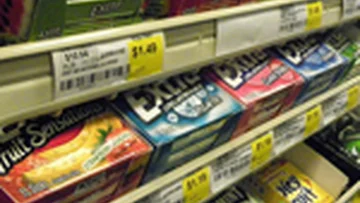
Are checkout impulse buys a mobile casualty?
Sales of items typically stocked near grocery checkout counters have fallen sharply over the last year and a half.
read now
Opinion: How social media is changing retail
The traditional path to purchase has been disrupted by the convergence of websites, kiosks, tablets, smartphones and social media.
read now
What can merchants do to become better retail therapists?
More than half of all Americans go shopping to improve their moods.
read now
GlobalShop 2013: WD Partners discuss 'digital disconnect'
by Natalie Gagliordi — Editor of KioskMarketplace.com, Networld Media Group
Executives with WD Partners revealed exclusive study results during their GlobalShop conference session.
read now
The digital future of retail
In the next ten years, retail as we know it might come to an end.
read now
Why the Four P's of marketing no longer matter in retail
It's mobile influence, not mobile commerce, that retailers should be focused on.
read now
Opinion: Higher prices at JC Penney means lower prices at jcp
A branding expert tries to make sense of the retailer's multiple strategies.
read now
Americans won't pay for same-day delivery ... or will they?
New research reinforces the premise that online shoppers expect free shipping.
read now
Why retailers must embrace the Relationship Era
Indifference is expensive. Hostility is unaffordable. Trust is priceless.
read now
With Glass, Google searches for place in retail
The headsets allow users to access information through a heads up display.
read now
The future of self-service in retail
As the definition of self-service broadens, so too are its applications for retail.
read now
Commentary: The impact of checkout time on customer service perception
The time a customer spends waiting in line can dramatically impact their perception of the service they receive on the whole.
read now
How to use customer data to plan store layouts
Consumer data can give insight on how to boost the bottom line with simple store design improvements.
read now
IBM study says showroomers should be targeted
Although the notorious showroomer makes up only 6 percent of all buying traffic, they're young, active and influential.
read now
Commentary: When driving customer loyalty, less is more
Overloading a program with benefits is not the most effective approach.
read now
NRF: How Coca-Cola creates happiness for consumers and retailers
An emphasis on optimism and positivity was evident at this year's opening keynote.
read now
How Wegmans, Apple Store and Ritz-Carlton empower employees to offer best-in-class service
One simple secret behind their success is so simple, so basic, that most brands and businesses fail to grasp its importance.
read now
Under the Radar: Ten emerging marketing trends
Loyalty programs are becoming a commodity due to their ubiquity and lack of creative differentiation.
read nowSubscribe
Get the latest news and resources from Retail Customer Experience.