Consumer Behavior
Amazon Prime Day not immune to consumer pressures, competing sale events
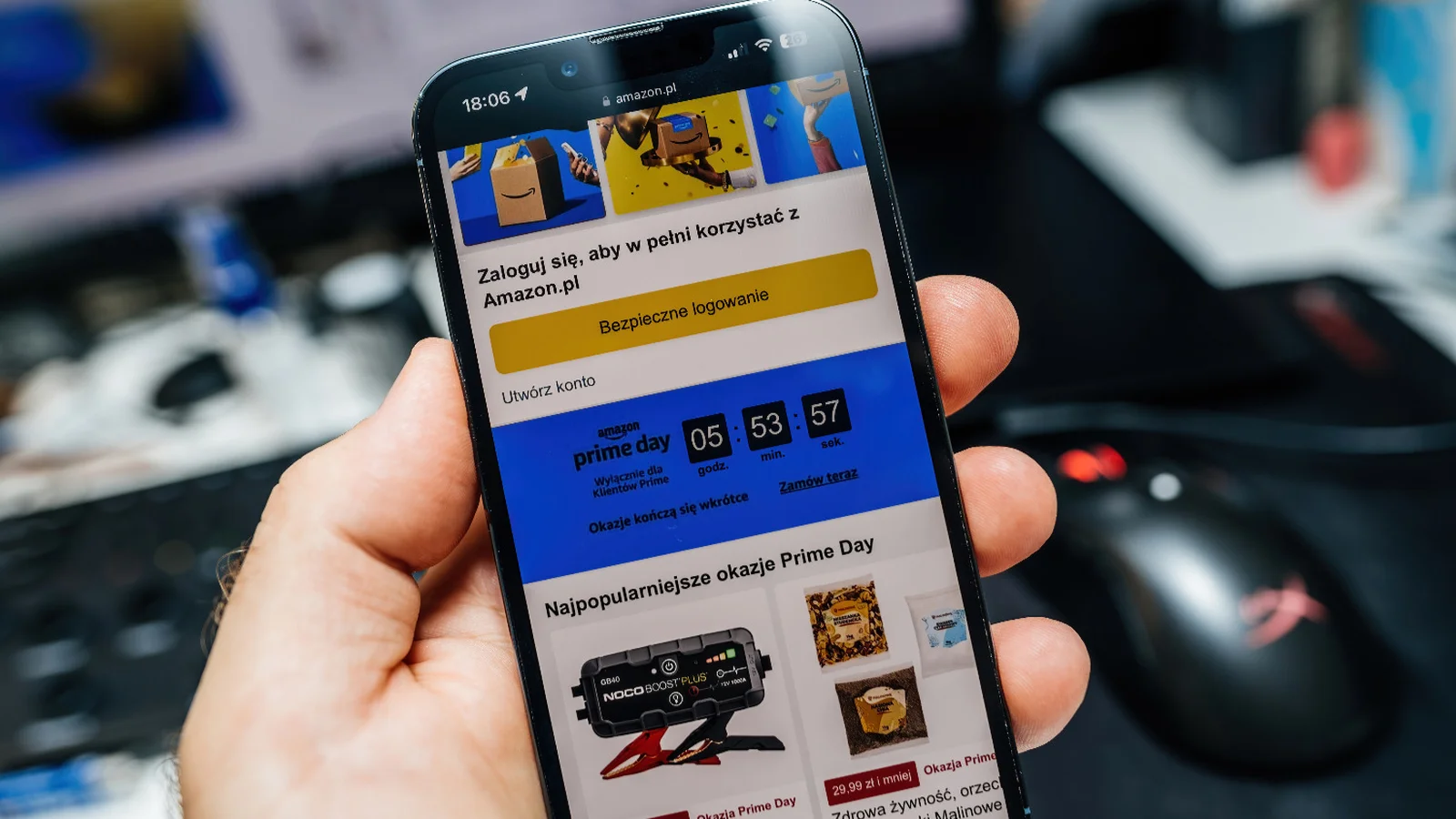
Amazon's June Prime Day event may have been a bit too early to cash in on the back-to-school consumer shopping season.
July 28, 2026 by Judy Mottl — Editor: RetailCustomerExperience.com & DigitalSignageToday.com, Connect Media
 ChatGPT
 Grok
Grok Perplexity
 Claude
On July 15, 2015, Amazon launched what would become an annual sales extravaganza called Prime Day.
That initial online sales event, held to celebrate the e-commerce giant's 20th birthday, ran for 24 hours straight and was available to shoppers in nine countries. There were no AI-powered shopping assistants or chatbots to help shoppers.
In 2019 Amazon extended the Prime Day event to two days through 2024.
In 2025 Prime Day took place over four days and was available to consumers in over 25 countries. Alexa+, Amazon's generative AI-powered personal assistant, played a "huge role," according to Amazon, in driving and improving the Prime Day shopping experience, along with Amazon's AI shopping tools such as Rufus and online shopping guides.
This year Prime Day took place June 23–26. Along the way Amazon also launched fall sales events called Prime Day Big Deals. Competing retailers also began jumping on the big annual sales strategy — Target's Circle Week and Walmart Deals came into play.
This summer U.S. consumers have been facing more than a few challenges – higher gas prices, higher inflation, higher grocery costs.
To get a look at how Amazon's Prime Day performs when shoppers are looking for the best deals, Retail Customer Experience reached out via an email interview to John Mercer, head of global research at Coresight Research.
Q. How did Prime Day 2026 fare given consumer challenges?
Mercer: Coresight Research survey findings from July 2026 recorded a significant year-over-year fall in respondents purchasing on Amazon during Prime Day 2026. The confirmed rate of purchasing saw a decline of 16.7 percentage points compared to 2025, with 31.5% of surveyed consumers reporting they made a purchase on Amazon.com during the 2026 event. Further (third-party) data indicated a decline in per-shopper spend during Prime Day.
Q. What do data points indicate about Prime Day 2026?
Mercer: Amazon did not publish its typical post-event press release noting highlights from the event. This could have been for a number of reasons, but it could be interpreted as suggesting the event had fewer highlights to call out this year. Total online sales across all retailers during the four-day Prime Day reached $26.4 billion, up 9.3% year over year, per Adobe Analytics.
Although [Prime Day purchasing] growth slowed versus last year, this strong overall momentum [total retail sales] may imply that Amazon saw positive sales growth, given Amazon has a sizeable 46.5% share of US online retail sales. It could also suggest that rival promotional events saw meaningful growth.
Q. Did consumer pressures (economics, higher prices) play a role?
While consumers remain under pressure from elevated inflation, we have pointed to resilience in overall consumer spending in recent months, as much higher tax refunds have flowed into retail: We estimate about 30% of the additional $50 billion in tax refunds so far this year have been spent in retail.
This resilience in overall consumer spending suggests that competitors to Amazon may have captured a greater share of promotional spending this year, with Walmart and Target the biggest names to have run rival promotional events. Moreover, the prominence of electronics in Prime Day purchasing this year (per Coresight survey data) suggests that consumers were willing to make big-ticket purchases, where they did buy.
Q. What do the results of this year's Prime Day hold for the back-to-school season and even the holiday sales season?
Mercer: Prime Day reflected wider trends in retailing. This includes AI tools' more prominent role in the shopping process, for discovery and research, even if fully agentic shopping is not yet here at any scale. The event also reflected the increased prominence of retail media, which dovetails with the abundance of choice on marketplace sites, as sellers attempt to stand out in a huge inventory.
This year, just 13.4% of all respondents in our survey said they made back-to-school purchases on Amazon.com during Prime Day. Last year, that figure was 18.7%. As we noted in our recent BTS report, the peak month for starting BTS shopping is July (38.4% of BTS shoppers), followed by August (34.3%) and then June (23.3%). This suggests that Prime Day may have fallen too early for many BTS shoppers' plans. As we also observed in our BTS coverage, our analysis suggests that Amazon under-indexes in BTS versus other seasonal events such as the holiday season (when Amazon was the top retailer for shopping intentions) and in key categories such as clothing and footwear (where Amazon is also the most-shopped). Amazon loses that top position for BTS, falling behind Walmart and Target.
About Judy Mottl

Judy Mottl is the editor of RetailCustomerExperience.com and DigitalSignageToday.com at Connect Media. She is an award-winning editor, reporter and blogger who has worked for top media for nearly four decades, including AOL, InformationWeek and Internet News, as well as for leading technology providers including HP. She’s written everything from breaking news to in-depth industry trends and reported on technology long before the internet arrived, including the debut of the first smartphone. When she's not sharing insights on digital signage deployments and trends in retail customer experience she's on the beach or watching the latest live murder trial.
Related Media
Subscribe
Get the latest news and resources from Retail Customer Experience.