Customer Service
As physical retail changes, so must the customer experience
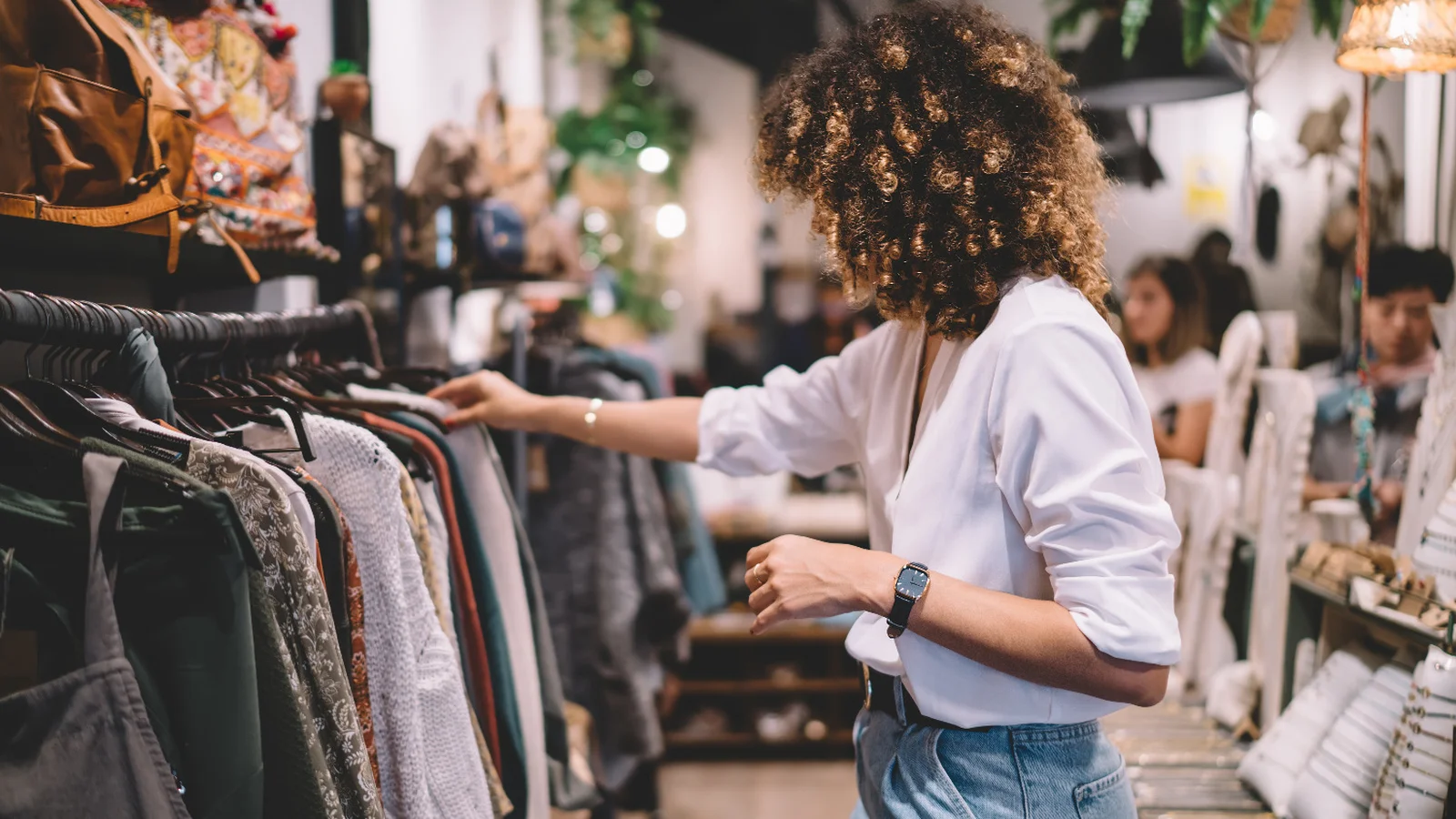
E-commerce has made shopping remarkably convenient, but the physical store still offers something a screen cannot fully replicate: a real environment where people can discover, interact, ask questions and experience something in the moment.
November 19, 2026 by Ray Sheehan — Founder, Old City Media
 ChatGPT
 Grok
 Perplexity
 Claude
For years, the role of the physical store was relatively straightforward: put the right products in the right place and give customers a convenient way to buy them. Today, that role is much broader. A customer may discover something online, research it on a phone, visit a store to see it in person and make a decision later. The store is no longer simply the place where the transaction happens. It is one part of a much larger customer journey, and retailers have an opportunity to make that part of the journey far more valuable.
Over the years, I've had the opportunity to see hundreds of in-store programs take shape across different retail environments. One thing I've learned is that what looks good in a presentation does not always work on the retail floor.
There are countless variables that only become obvious when real customers are moving through a real store. The strongest experiences respect why the customer came in, fit naturally into the environment and give people a reason to engage without making them feel like they have to.
Start with the customer's shopping mission
One of the easiest mistakes to make is assuming that visibility automatically creates a better customer experience. I've seen concepts that made perfect sense on a floor plan feel completely different once they were placed inside an active store. Something positioned close to an entrance may appear to be prime real estate, but customers may have to navigate around it while entering the store, grabbing a cart or figuring out where they are going. In some cases, simply moving the same experience farther into the store or away from the primary traffic pattern can completely change the way customers respond to it.
That is why I believe the first question should be about the customer's existing shopping mission rather than the experience itself. Where do people naturally slow down? Where do they have enough room to stop without blocking another shopper? At what point in the visit are they more open to discovering something new? Those practical questions may not be as exciting as discussing technology or creative design, but in my experience they often determine whether an idea actually works.
Give customers more than one way to engage
Customers also do not all want to engage the same way. Some people are perfectly comfortable walking up to someone and starting a conversation. Others will change direction if they think they are about to be pulled into an unwanted sales interaction. Retailers should design experiences that recognize both behaviors. A shopper who wants a conversation should be able to have one. While someone else may prefer to browse, scan a QR code, interact with a display or learn more independently. Human interaction remains extremely valuable, but giving customers control can make the experience feel like an invitation rather than an interception.
Relevance creates real value
Some of the best examples I've seen are partnerships that make sense once you look at them through the customer's eyes. Home improvement can be a great example in a grocery environment. A company focused on kitchen renovation has a natural connection to a place where families shop for the food they prepare and serve in that same room. We have seen firsthand that when the experience is positioned correctly, shoppers see real value in learning about a service that is relevant to their homes. The retailer benefits as well because the partnership can create incremental economic value without changing its core grocery business. It works because there is a logical connection between the customer, the retailer and the experience.
Telecom can create a very different kind of energy. These experiences often include giveaways or simple interactive elements that make the store feel more active and give shoppers something extra during their visit. Clean energy can provide another kind of value by helping customers learn about energy choices and ways to reduce their environmental footprint. That type of experience can also reinforce priorities that a retailer and its customers may share.
The categories are different, but the lesson is the same: the strongest partnerships do not feel like a random company has simply occupied a piece of floor space. There is a reason for the experience to be there, and the customer gets something useful, informative or enjoyable from it.
Look beyond the immediate transaction
Retailers should also think carefully about how they define success. The modern customer journey rarely begins and ends during a single store visit. A customer may discover something in the store, research it later and take action days afterward. Another may leave with a stronger impression of the retailer because the visit offered something useful or unexpected. Sales will always matter, but participation, engagement, customer response and continued interaction can also help determine whether an experience is creating value.
For me, that is where the evolution of physical retail becomes most interesting. E-commerce has made shopping remarkably convenient, but the physical store still offers something a screen cannot fully replicate: a real environment where people can discover, interact, ask questions and experience something in the moment. The opportunity is not to fill stores with more activity for the sake of activity. It is to create experiences that fit naturally into the environment, respect the shopper's time and give customers another reason to value being there.
About Ray Sheehan

Ray Sheehan is the founder of Old City Media, an experiential marketing company focused on connecting brands with consumers through physical retail. With more than 25 years of experience spanning live events, hospitality and retail marketing, Ray has built his career around creating memorable in-person customer experiences. Today, he works with retailers and brands to develop in-store activations and new ways to engage consumers within the physical store.
Related Media
Subscribe
Get the latest news and resources from Retail Customer Experience.