Marketing
The most valuable moment in retail media
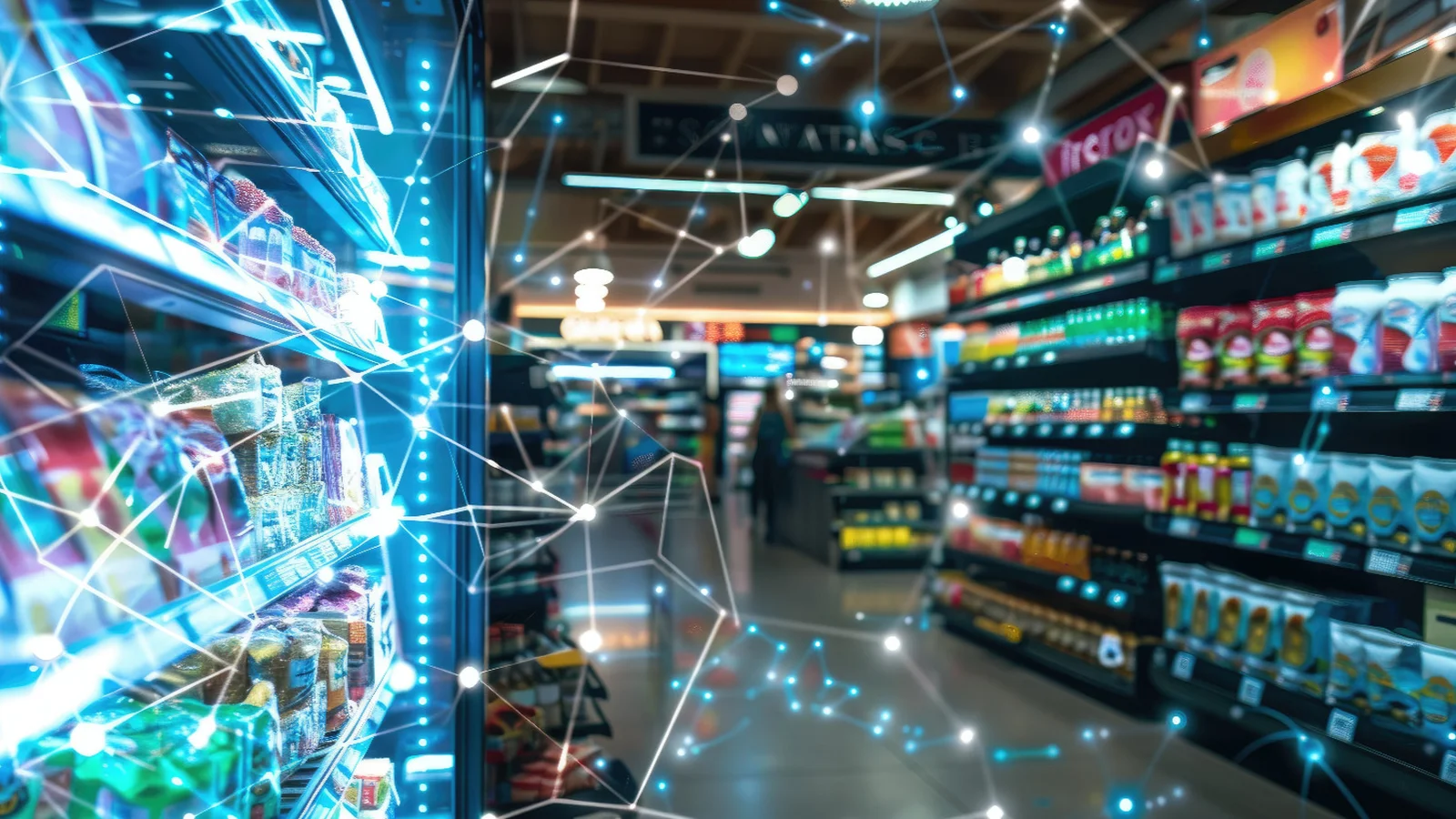
Retail media largely focuses on influencing shoppers before the transaction, while in-store media helps influence decisions during the shopping trip.
August 25, 2026 by David Buckingham — CEO, Ecrebo
 ChatGPT
 Grok
Grok Perplexity
 Claude
Retail media has become one of the biggest conversations in grocery. Every retailer I speak with is thinking about how to grow advertising revenue, make loyalty programs more valuable and personalize the customer experience without adding more complexity. It's easy to see why. Digital retail media advertising spend in the U.S. is forecast to reach roughly $69.3 billion this year, up from $58.8 billion in 2025. Those conversations are only getting louder as margins stay under pressure and shoppers become more selective about where they spend.
Retail media largely focuses on influencing shoppers before the transaction, while in-store media helps influence decisions during the shopping trip. But I think one opportunity still gets less attention than it deserves: the transaction itself. It's the only part of the customer journey that's recorded with 100% accuracy, making it arguably the most valuable moment in retail media.
Retailers spend a lot of time trying to influence customers before they make a purchase, which is understandable. By the time someone reaches the checkout, the assumption is often that the job is done. I don't see it that way.
The purchase is where retailers learn what actually happened. It's the point where intentions become decisions. You can see what someone chose to buy, which products they bought together, whether promotions influenced the purchase and, often, what they're likely to need next. That's incredibly valuable information, yet many retailers still treat it as little more than a record of the sale.
Shopper behavior tells the real story
One thing I've learned over the past few years is that shopper behavior rarely stands still. More recently, we've watched consumers become much more deliberate about how they spend. Households are making more shopping trips, comparing prices across multiple retailers and paying much closer attention to loyalty offers than they did just a few years ago. Recent research found that U.S. shoppers now visit an average of 5.4 different grocery banners each month, showing just how willing consumers have become to shop around for value.
That doesn't necessarily mean they're spending less. In many cases, they're simply spreading that spending across more retailers. A family might buy pantry staples at one supermarket, stop somewhere else for produce and visit a third store because a loyalty offer made the trip worthwhile. Basket size can shrink even when overall grocery spending stays relatively steady because purchases are distributed differently.
For retailers, that's an important shift. That's where transaction data becomes so useful. Retailers already collect enormous amounts of information before someone buys. They know what shoppers searched for online, which emails were opened and which offers were viewed. Those signals all have value, but the completed basket tells a different story because it reflects what someone actually decided to purchase.
In my experience, actual purchasing behavior is usually a much stronger indicator of future behavior than browsing activity alone. A shopper who regularly buys gluten-free products, premium pet food or school lunch staples is telling you something meaningful without ever filling out a survey.
Relevance matters more than reach
Consumers are exposed to marketing messages almost everywhere they look. Retailers need to communicate in ways that reflect what shoppers have actually done.
One conversation I have regularly is around personalization. There's an assumption that meaningful personalization depends on years of loyalty history or incredibly detailed customer profiles. Sometimes that's true, but I've found relevance can often begin with something much simpler: acknowledging the purchase that just happened.
If someone has just bought coffee, suggesting complementary products before their next visit feels logical. If a shopper consistently purchases baby products, highlighting offers that reflect that stage of life is likely to be more useful than a generic weekly promotion. The communication feels connected to the customer's behavior rather than another message sent to everyone.
Much of the industry's attention has gone toward sponsored search, retailer websites, mobile apps and in-store displays. Those channels all have an important role to play, but retailers also own another moment that's overlooked.
The transaction happens when the customer is already engaged and paying attention. Continuing the conversation then, while it's still grounded in an actual purchase, creates a different kind of opportunity than simply adding another advertising placement.
Build on what retailers already have
Technology discussions often focus on what's new. The conversations I have with retailers tend to be much more practical.
Most aren't looking to replace everything they've built over the past decade. They've already invested heavily in loyalty platforms, CRM systems, retail media capabilities and digital experiences. What they're asking is how those investments can work together more effectively.
That means solutions that fit into existing operations instead of creating another major implementation project. It means giving marketing teams better ways to act on shopper behavior without adding unnecessary complexity for IT. And it means using data that's already available to improve the next interaction with the customer.
The transaction is one of the richest sources of shopper insight retailers already possess. Every completed purchase provides an opportunity to better understand customer behavior, strengthen loyalty, encourage the next visit and create more relevant retail media experiences. That's especially important because retailers know omnichannel shoppers are more valuable. Research shows they spend an average of 16% more per order than single-channel shoppers.
Retail media will continue to grow, and retailers will continue investing in new ways to engage shoppers before and during the shopping journey. My view is that one of the biggest opportunities is making better use of the customer touchpoint they've had all along. The checkout also marks the beginning of the next shopping journey, creating an opportunity to build on what the retailer has just learned about that customer.
About David Buckingham

David Buckingham is CEO of Ecrebo, where he leads the company's mission to help retailers use real-time transaction intelligence to drive customer loyalty, personalization and retail media performance. A seasoned technology executive with leadership experience across the UK, Europe and North America, David has built and scaled SaaS businesses, launched companies into the U.S. market, and held senior leadership roles at Ecrebo, Circana (IRI), Loyalty Management Group and Kantar. He has spent his career helping retailers and CPG brands unlock greater value from customer and transaction data.
Related Media
Subscribe
Get the latest news and resources from Retail Customer Experience.