Marketing
The cost of a broken promise
Retailers that equip teams to deliver consistent, customer-focused experiences will be better positioned to stand apart in a crowded market and build loyalty beyond the holiday season.
November 17, 2026 by Anup Prasad — SVP & Head of Consumer Business, Americas at Cognizant | Retail, Consumer Goods, Travel & Hospitality, Cognizant
 ChatGPT
 Grok
 Perplexity
 Claude
Picture a $45 order placed the week before Thanksgiving. The item sits in a warehouse hundreds of miles from the customer. The only way to meet the two-day delivery promise displayed at checkout is an expedited shipping option that consumes a significant portion of the order's value once transportation and returns costs are factored in. No single team made a bad decision. The system simply made a promise without fully considering what it would cost to keep it, and what it would cost the relationship if it broke.
This scenario is becoming increasingly common across retail, and its impact extends far beyond the balance sheet. Every order represents an expectation set with the customer. When retailers meet that expectation, they strengthen confidence in the brand. When they fall short, even once, they risk creating doubt about whether future promises can be trusted.
For years, retailers competed by offering faster delivery and greater convenience. Those benefits helped accelerate e-commerce growth and shaped how customers evaluate the shopping experience. Today, speed alone is no longer the differentiator. Customers increasingly judge retailers based on consistency, reliability, and whether the experience matches what was promised at checkout.
Most customers never see the inventory systems, carrier networks, or operational decisions behind an order. What they experience is simple: Was the product available? Did it arrive when expected? Was pickup ready on time? Could a return be completed without frustration? The answers to those questions often matter more than the complexity required to deliver them.
Forrester's 2026 Total Experience research puts a number on that gap: retailers that close the distance between what they promise and what they actually deliver see revenue gains as high as 3.8X those that don't. A single missed window can undo months of goodwill built through every prior interaction.
That is why fulfillment should be viewed through the lens of customer trust before operational efficiency. Every delivery estimate, pickup notification, and return policy shapes how customers perceive the brand. Retailers that focus only on moving products efficiently risk overlooking the experience those decisions create. The real challenge is not simply whether an order can be fulfilled, but whether the chosen approach strengthens the relationship with the customer over time.
Trust is tested most when the promise breaks
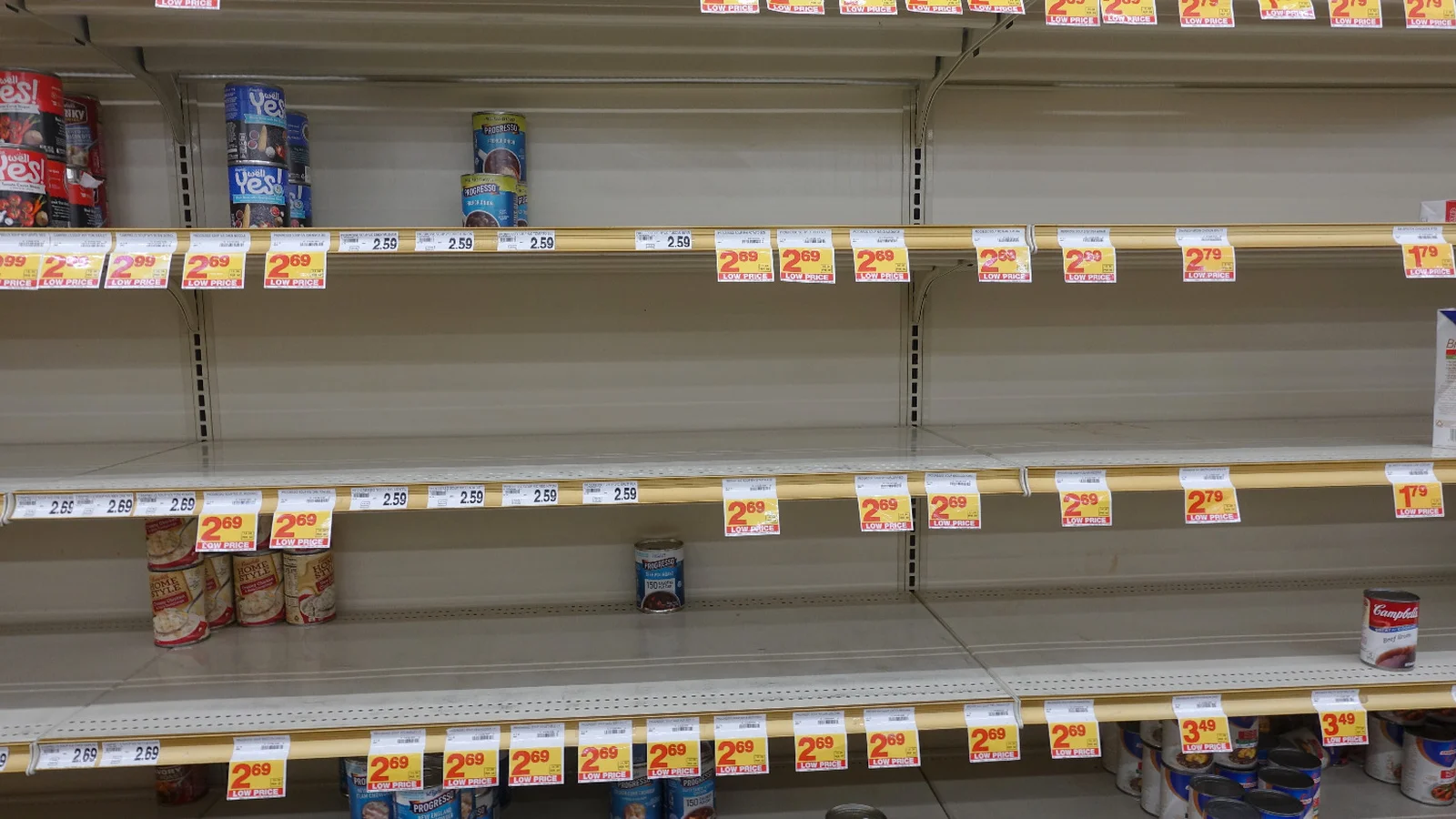
Even the best fulfillment systems will occasionally fall short. A carrier delay, an inventory mismatch, or an overwhelmed pickup counter can turn a routine order into a moment of frustration. What determines whether that moment becomes a lost customer is not simply the failure itself, but how the retailer responds. Silence and uncertainty compound the disappointment. Proactive communication also helps manage expectations before frustration takes hold. Customers are generally more understanding of delays when they know what is happening and when they can reasonably expect a resolution. Transparency often matters as much as speed in preserving confidence.
Recovery should make the next step easy. Customers should not have to chase multiple teams to understand where an order is, repeat the same story to different representatives, or negotiate for a fair resolution. A clear explanation, a realistic new commitment, and an appropriate choice, such as a replacement, refund, alternative pickup location, or revised delivery option, can restore a sense of control. Frontline employees also need enough information and authority to resolve the issue in the moment. A broken promise may weaken trust, but a thoughtful recovery can demonstrate something equally important: how the retailer behaves when things do not go according to plan.
One-size-fits-all service wears on loyalty
Speed became the default response to customer expectations, but fast delivery isn't valuable if customers don't need it, and delayed delivery without warning damages trust. Every customer relationship carries its own tolerance for wait time, its own sensitivity to cost, and its own history with the brand. Treating every order identically ignores that.
Repeat customers often have different priorities. Some value guaranteed speed, while others prefer a lower-cost option with clear communication. Many simply seek the confidence that their order will arrive as expected. Retailers that use order and customer history to tailor the service offered, rather than applying one rule across the network, are the ones building durable loyalty rather than one-time satisfaction. AI-driven systems make this kind of tailored promise possible at scale, weighing a customer's history and preferences in real time rather than applying one rule to every order.
Stores are where the brand becomes real
The store is often the moment when a retailer's brand moves from promise to reality. Customers may place orders online, receive updates through an app, and track shipments digitally, but when they walk into a store for a pickup or return, the experience becomes personal. A pickup order that isn't ready, or a return that becomes unnecessarily difficult, can quickly turn convenience into frustration.
That is why stores play a unique role in shaping customer perception. Associates are not simply completing transactions; they are often the people customers turn to when something goes wrong. Giving them visibility into inventory, order status, and available options can help resolve issues quickly and confidently. When customers leave feeling heard and helped, even a problem can become a positive brand experience.
As retailers head into holiday 2026, when customer expectations are at their highest, these in-store interactions will carry even greater significance. Every pickup, return, or service conversation has the potential to strengthen a customer's impression of the brand. Retailers that equip their teams to deliver consistent, customer-focused experiences will be better positioned to stand apart in a crowded market and build loyalty beyond the holiday season.
About Anup Prasad
Anup Prasad is SVP and business unit head for the Consumer Business in Americas. In his role as BU Head, Anup is responsible for strategic direction & operational performance of Cognizant’s business in the Consumer Industry in Americas, which includes clients in the consumer goods, travel, restaurant & hospitality sectors.
Related Media
Subscribe
Get the latest news and resources from Retail Customer Experience.