Payments
Self-checkout shrink problem ongoing
July 1, 2026
 ChatGPT
 Grok
Grok Perplexity
 Claude
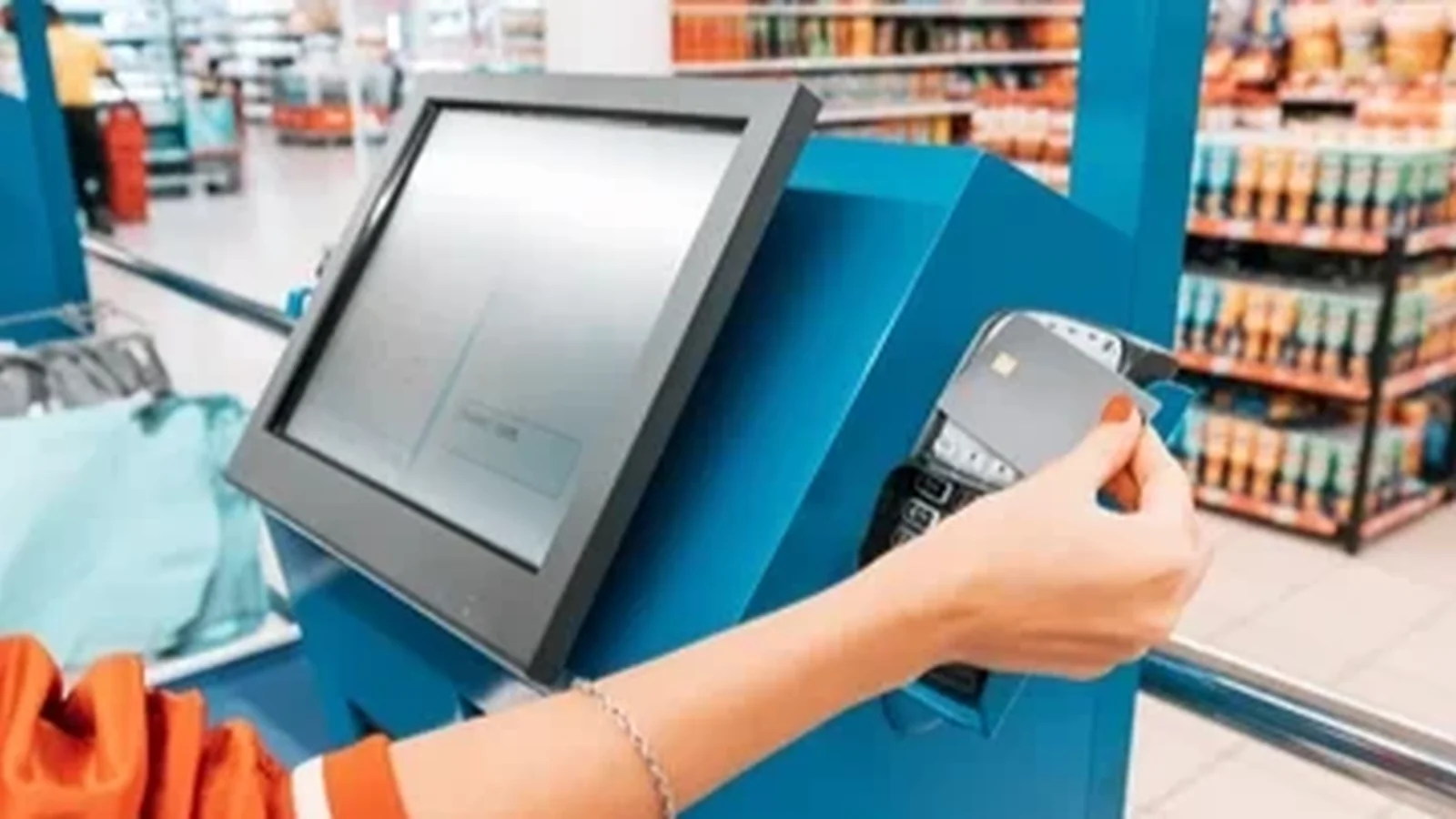
Self-checkout maybe the dominant transaction method in many retail stores but it continues to generate higher levels of shrink and operational losses than traditional checkout lanes, according to an industry report.
The Self-Checkout Loss Report 2026, authored by University of Leicester Professor Matt Hopkins and commissioned by ECR Retail Loss, analyzed data from 39 retailers representing more than $1.16 trillion in annual turnover.
Researchers found that 54% of transactions in stores equipped with self-checkout now flow through those systems, highlighting how deeply the technology has become embedded in modern retail operations.
The study found stores typically experience higher losses after adopting self-checkout. Researchers estimated an average increase of 22% in shrink during the first year after implementation, while stores with self-checkout reported losses that were, on average, 33% higher than comparable locations without the technology. The report noted that the impact varies widely by retailer, store format and customer demographics, but concluded that self-checkout remains a significant driver of retail loss.
Among the leading causes of self-checkout loss, missed scans were identified as the most common, occurring in an estimated 1% to 4.8% of transactions. Other contributors included product lookup errors, items left in shopping carts, barcode switching and payment "walkaways," where customers leave with merchandise after a failed payment transaction. While missed scans were the most frequent issue, walkaways generated the highest average loss per incident. The report also found that loss tends to rise as self-checkout utilization increases, with retailers reporting greater shrink as a larger share of transactions move through self-service lanes.
Despite the challenges, the report concluded self-checkout losses can be managed through a combination of technology, store design and staffing strategies.
Researchers highlighted interventions such as exit gates, personal display monitors, missed-scan detection technology and active staff supervision as promising approaches for reducing loss. The study also called for more rigorous measurement of self-checkout-specific losses and stronger return-on-investment analysis to help retailers better balance labor savings, customer convenience and shrink reduction.
Related Media
Subscribe
Get the latest news and resources from Retail Customer Experience.