Omnichannel
Retailer stock-outs hurt brand loyalty, drive consumers to switch brands
Consumers don’t mind a random stock-out experience, but consistent stock-outs will drive them to a competitor.
November 18, 2026 by Judy Mottl — Editor: RetailCustomerExperience.com & DigitalSignageToday.com, Connect Media
 ChatGPT
 Grok
 Perplexity
 Claude
There is a slew of potential aggravations in the shopping journey but one of the top frustrating experiences is finding the store doesn't have what the consumer needs and wants.
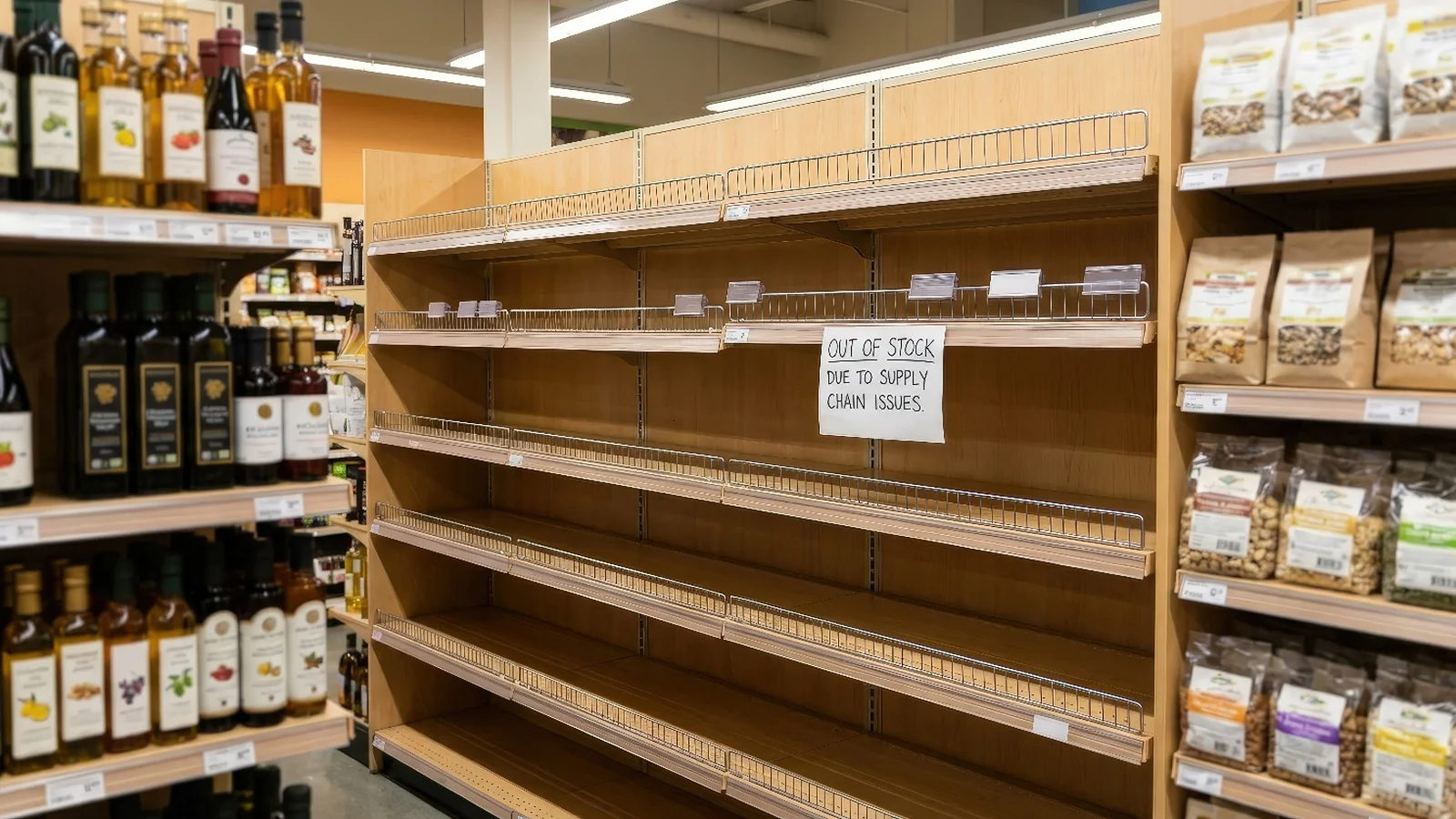
The stock-out experience is amplified during big shopping seasons, such as the holiday season, as shoppers are often looking for a particular gift, apparel item at a certain size or the season's hottest toy. Consumers can be just as frustrated shopping for holiday food items when they discover an empty shelf or no needed items available.
Stockouts indicate the store is dealing with a fulfillment challenge but what many retailers may not realize is that they pose a big threat to brand loyalty.
How consumers react to stockouts
Over four in five consumers, 82%, would try a competitor if their go-to is frequently out of stock and more than three in five, 62%, have switched brands because of a stockout.
Those findings, from a Doss survey that polled 1,000 U.S. adults about personal stockout experiences as well as Reddit posts on the stock-out experience, reveals how quick a stock-out can turn into a potential competitive opening, according to Sebastiaan Debrouwere, VP of business development and marketing at Doss, an AI-native platform that helps product-based businesses manage the flow of goods.
"This [the findings] indicate consumers are typically not willing to wait for products to come back into stock after they have decided on a brand," Debrouwere said in an email interview.
The Doss survey revealed the most frustrating stock-out experience was within the fashion and apparel sector followed by beauty and electronics.
"We believe this is because consumers who purchase these types of products often need a specific size, shade, style, model or product; so a substitution will rarely feel like an interchange," Debrouwere said.
The damage to brand loyalty
The survey revealed 74% of consumers encountered an out-of-stock product they regularly buy in the past 12 months, and on average, shoppers hit stockouts three times a year when shopping online.
"Retailers have to recognize that availability is a key component of what customers perceive as good service. While better data on future demand, along with better access to current inventory levels are both valuable tools for reducing avoidable stockouts (and ultimately increasing sales), it's equally important how well you communicate if/when stockouts do happen," said Debrouwere.
That includes communicating correct availability information about items in short supply, providing reasonable time frames for replenishment, and giving customers viable options while waiting for an item to be back in stock.
An additional Doss survey finding may come as a surprise to many retailers. A quarter of consumers (25%) said stockouts damage their trust in a brand. More than 1 in 20 (6%) have gone further, leaving a negative review because of a stockout or fulfillment issue.
"While a one-off stock-out will likely be viewed as minor by most customers, continued stock-outs can eventually condition them to shop at another retailer. Therefore, retailers would benefit from developing predictive insights into which items have the highest potential demand prior to those periods and taking corrective action to mitigate dissatisfaction before it converts to a long-term loyalty defection," he said.
Even more alarming, said Debrouwere, is that nearly two-thirds (62%) report having changed brands due to stock-out issues at the original brand.
"While some consumers might be forgiving of an infrequent stock outage or delay, it seems as though frequent unavailability of products could become a much more serious issue," he said.
"In fact, when consumers experience the availability of a particular product being consistently disrupted, 82% stated they will attempt to shop at a competitor. This underscores the importance of consistency on behalf of retailers, since once consumers have found an acceptable alternative brand, they do not necessarily revert to the original brand."
About Judy Mottl

Judy Mottl is the editor of RetailCustomerExperience.com and DigitalSignageToday.com at Connect Media. She is an award-winning editor, reporter and blogger who has worked for top media for nearly four decades, including AOL, InformationWeek and Internet News, as well as for leading technology providers including HP. She’s written everything from breaking news to in-depth industry trends and reported on technology long before the internet arrived, including the debut of the first smartphone. When she's not sharing insights on digital signage deployments and trends in retail customer experience she's on the beach or watching the latest live murder trial.
Related Media
Subscribe
Get the latest news and resources from Retail Customer Experience.